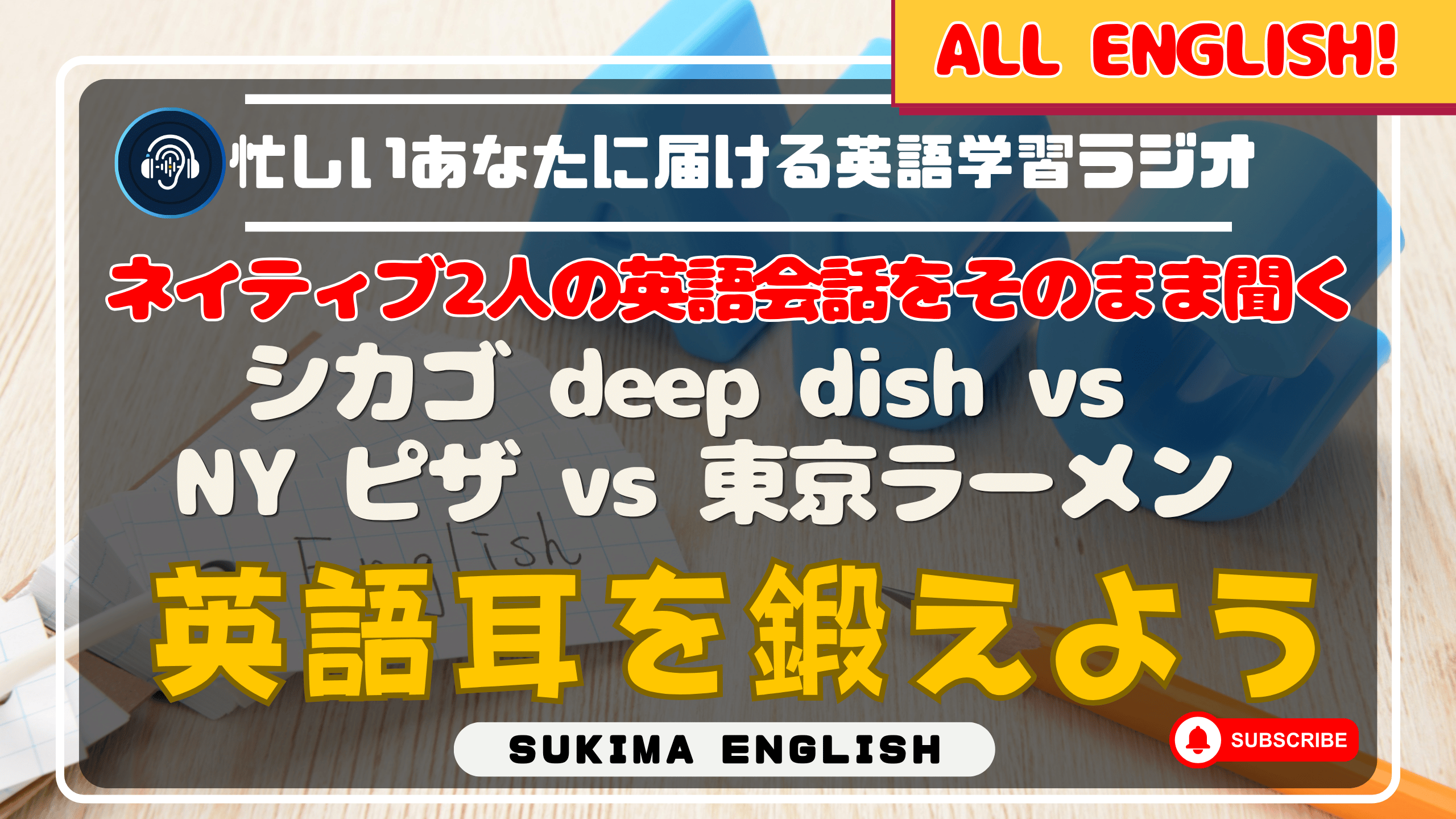
シカゴ出身マークが告白「日本のラーメンに改宗しました」|ネイティブ2人の食論争を英語で聞こう
ポッドキャスト「すきまイングリッシュ」のスクリプト。「シカゴ出身マークが告白「日本のラーメンに改宗しました」|ネイティブ2人の食論争を英語で聞こう」の会話全文です。

Marc: Sarah, we need to settle something today. (日本語訳: サラ、今日決着をつけたいことがあるんだ。)
サラ: Oh god. What now? (日本語訳: うわー。何よ?)
Marc: We've been working together for years. We've talked about food a lot. But we have never, on the record, had The Pizza Conversation. (日本語訳: もう何年も一緒に仕事してるじゃない。食べ物の話はたくさんしてきたけど、公式には「ピザ論争」をしてこなかった。)
サラ: Marc. (日本語訳: マーク。)
Marc: Sarah. (日本語訳: サラ。)
サラ: You want to do this on a podcast. (日本語訳: ポッドキャストでそれをやりたいの?)
Marc: I want to do this on a podcast. (日本語訳: ポッドキャストでやりたいんだ。)
サラ: We are going to lose listeners. (日本語訳: リスナーが減るよ。)
Marc: We are going to gain listeners. Everyone has a hot take on this. (日本語訳: リスナーが増えるよ。この件については、みんな熱い意見を持ってるんだから。)
サラ: Fine. But I'm telling you right now — Chicago deep dish is not pizza. (日本語訳: わかった。でも今言っておくけど、シカゴのディープディッシュはピザじゃない。)
Marc: I'm going to pretend you didn't just say that. (日本語訳: 今言ったことは聞かなかったことにするわ。)
サラ: I said what I said. (日本語訳: 言ったことは言った。)
Marc: Today's episode is Chicago deep dish versus New York pizza. And then, just to make it really interesting, Tokyo ramen — which has, unfortunately, changed me forever. (日本語訳: 今日のエピソードは、シカゴのディープディッシュ対ニューヨークピザ。さらに、本当に面白くするために、東京ラーメンも。これは残念ながら、私を永遠に変えてしまった。)
サラ: Wait, what? (日本語訳: え、何?)
Marc: Stay tuned for Topic three. It's a confession. (日本語訳: トピック3に続きます。告白です。)
サラ: Okay. Make your case. Defend the indefensible. (日本語訳: わかった。あなたの主張を聞かせて。弁解できないものを弁護して。)
Marc: I am offended already and you have no idea what's coming. (日本語訳: もう気分を害してるんだけど、何が来るか全然わかってないでしょ。)
サラ: Go. (日本語訳: どうぞ。)
Marc: Deep dish pizza is not just food. It is a religion. It is a way of life. It is — and I will die on this hill — the highest form of pizza on this planet. (日本語訳: ディープディッシュピザは単なる食べ物じゃない。それは宗教であり、生き方だ。そして、これは譲れないけど、この惑星で最も高貴なピザなんだ。)
サラ: You are already losing me. (日本語訳: もう聞く気なくしてるわ。)
Marc: Picture this. You walk into Lou Malnati's. The smell hits you before the door even closes. There's a buttery crust. A two-inch wall of golden, flaky, slightly crispy crust. Inside the crust — a fortress of mozzarella. Layers of it. Half a pound of cheese minimum. On top of the cheese, chunks of Italian sausage or pepperoni. And on top of all of that — the sauce. Crushed tomatoes, slow simmered. (日本語訳: 想像してみて。Lou Malnati'sに入ると、ドアが閉まる前に香りがあなたを包む。バター風味のクラスト。厚さ2インチの黄金色でサクサクしたクラストの壁。クラストの中には、モッツァレラチーズの要塞。何層にも重なってる。最低でも半ポンドのチーズ。その上に、イタリアンソーセージやペパロニの塊。そしてその全部の上に、ソース。潰したトマトをじっくり煮込んだもの。)
サラ: That sounds heavy. (日本語訳: 重そうだね。)
Marc: It is glorious. It takes the kitchen forty-five minutes to make one pie. You sit there, you wait, you have a beer. When it arrives, you cannot pick up a slice. (日本語訳: それは素晴らしいんだ。1枚作るのに45分かかる。座って、待って、ビールを飲む。それが運ばれてきたら、一切れを手に取ることはできない。)
サラ: There it is. (日本語訳: それだ。)
Marc: You eat it with a fork and a knife. And before you start your tirade — yes. I know what you're going to say. (日本語訳: フォークとナイフで食べる。そして、あなたがいつもの調子でまくし立てる前に、そう。あなたの言いたいことはわかってる。)
サラ: That is a casserole. That is a tomato-cheese casserole that you are calling pizza. (日本語訳: それはグラタンよ。ピザと呼んでるトマトとチーズのグラタンよ。)
Marc: I am calling it deep dish pizza because it is deep dish pizza. The word pizza does not exclusively belong to a flat sheet of bread. (日本語訳: ディープディッシュピザと呼んでる。なぜならディープディッシュピザだからだ。ピザという言葉は、平らなパンにだけ属する言葉じゃない。)
サラ: It actually does. The word literally means flat. In Italian. (日本語訳: 実際はそうよ。その言葉は文字通り、平らなものを意味するの。イタリア語で。)
Marc: Italian etymology is non-negotiable to you on this? (日本語訳: イタリア語の語源があなたにとって譲れない条件なの?)
サラ: Italian etymology is absolutely non-negotiable when we're talking about pizza. (日本語訳: ピザの話をする時は、イタリア語の語源は絶対に譲れない。)
Marc: Okay. Setting aside the international etymology debate. Growing up in Chicago, deep dish was the centerpiece of my childhood. Every birthday, Lou Malnati's. Every family gathering. My dad orders sausage. My mom orders cheese only. My brother is a pepperoni guy. We had to have a family meeting before every order to decide. (日本語訳: わかった。国際的な語源の議論は置いておいて。シカゴで育った私にとって、ディープディッシュは子供の頃の中心だった。誕生日といえばLou Malnati's。家族の集まりも。父はソーセージを注文し、母はチーズだけ。兄はペパロニが好き。注文する前に必ず家族会議を開いて決めてた。)
サラ: A family meeting. For pizza. (日本語訳: 家族会議。ピザのために?)
Marc: For deep dish, yes. Because you only get one or two pies for the whole table, and one slice is so much food that the wrong topping ruins your night. (日本語訳: ディープディッシュのためなら、そう。テーブル全員で1枚か2枚しか頼まないし、一切れで十分お腹いっぱいになるから、間違ったトッピングを選ぶと一日の気分が台無しになるんだ。)
サラ: One slice ruins your night. (日本語訳: 一切れで気分が台無し?)
Marc: One slice is your night. You eat one slice for thirty minutes. Slowly. Reverently. (日本語訳: 一切れが、その日のすべてなんだ。一切れを30分かけて食べる。ゆっくりと、敬虔に。)
サラ: This is not pizza. This is therapy. (日本語訳: これはピザじゃない。セラピーだ。)
Marc: Sometimes it is therapy. And honestly? That is the point. Deep dish is to die for, Sarah. To die for. The first bite is heaven. (日本語訳: 時々セラピーになる。正直言って?それがポイントだよ。ディープディッシュは最高だよ、サラ。最高。最初の一口は天国。)
サラ: I'm going to need a moment. (日本語訳: ちょっと考えさせて。)
Marc: Okay. Your turn. Sell me on NY pizza. I dare you. (日本語訳: よし。君の番だ。NYピザの魅力を僕に伝えてみろよ。やってみろよ。)
サラ: I do not need to sell you on NY pizza. NY pizza sells itself. It is the default state of pizza. (日本語訳: NYピザの魅力を伝える必要なんてないんだ。NYピザは勝手に売れる。それがピザのデフォルト状態なんだ。)
Marc: What does that even mean? (日本語訳: それはどういう意味?)
サラ: It means when people say the word pizza, this is what they're picturing. Thin crust. Crisp on the bottom, slightly chewy. Sauce — bright, simple, balanced. A modest amount of cheese, but the right cheese. You fold the slice in half. You eat it. It takes maybe four minutes. It costs anywhere from two dollars to twenty. (日本語訳: つまり、人々がピザという言葉を思い浮かべるとき、彼らが想像するのはこれだってことだ。薄い生地。底はカリッとしていて、少し噛み応えがある。ソースは明るくて、シンプルで、バランスがいい。チーズは控えめだけど、正しいチーズだ。一切れを半分に折って、食べる。かかる時間は4分くらいだ。値段は2ドルから20ドルまで様々だ。)
Marc: Two dollars. (日本語訳: 2ドル。)
サラ: There are entire shops in Manhattan that exist solely to sell one-dollar slices. Or two-dollar slices these days. NY pizza is the most democratic food in America. It feeds construction workers, college students, Wall Street, and tourists in the same line. (日本語訳: マンハッタンには、1ドルスライス、いや最近では2ドルスライスだけを売る店がたくさんある。NYピザはアメリカで最も民主的な食べ物だ。同じ列に並ぶ建設作業員、大学生、ウォール街の人々、そして観光客に栄養を与える。)
Marc: That's actually beautiful. (日本語訳: それは確かに美しいな。)
サラ: I have a place in Brooklyn called Joe's Pizza. I've been going there since I was sixteen. The slice has not changed in fifteen years. The guy behind the counter has not changed in fifteen years. That is heritage. (日本語訳: ブルックリンにジョーズ・ピザっていう店があるんだ。16歳から通ってる。15年間、スライスは変わらない。カウンターにいる人も15年間変わらない。それが遺産なんだ。)
Marc: That's a long-running relationship. (日本語訳: それは長い付き合いだな。)
サラ: It is a marriage. He doesn't even ask what I want anymore. I walk in, he hands me a plain slice and a Coke. We exchange three words. I pay six dollars total. I'm out the door in five minutes. That is the New York pizza experience. (日本語訳: 結婚だよ。彼はもう俺の注文すら聞かない。俺が入ると、彼はプレーンなスライスとコーラをくれる。3言交わして、合計6ドル払って、5分で店を出る。それがニューヨークピザ体験だ。)
Marc: I'll admit, that is romantic in its own way. (日本語訳: それを認めよう、それはそれなりにロマンチックだ。)
サラ: It's the most romantic thing in my life right now, honestly. Don't tell anyone. (日本語訳: 正直言って、今僕の人生で一番ロマンチックなことだよ。誰にも言わないでね。)
Marc: Your secret is safe on this podcast. (日本語訳: このポッドキャストでは秘密は守られるよ。)
サラ: And the late-night slice culture, Marc. Two AM, you're walking home from somewhere, you stop at any random pizzeria, you get a hot slice, you fold it, you eat it on the sidewalk. There's nothing else like it on earth. (日本語訳: それに深夜のスライスカテゴリーもだよ、マーク。午前2時、どこかから歩いて帰ってきて、適当なピザ屋に立ち寄って、熱いスライスを買って、折りたたんで、歩道で食べる。地球上でそれに勝るものはない。)
Marc: That's actually a beautiful image. But here's the thing. NY pizza does one thing. It does it well. But it doesn't do everything. (日本語訳: それは確かに美しい光景だ。でもね、NYピザは一つのことをやる。それはうまくやる。でも、すべてをやるわけじゃない。)
サラ: NY pizza doesn't need to do everything. It does the one thing that pizza is supposed to do, and it does it perfectly. (日本語訳: NYピザはすべてをやる必要はない。ピザがやるべきことを一つだけやる。そしてそれを完璧にやる。)
Marc: But there's no commitment. You eat a slice in four minutes. You're done. It's a snack. (日本語訳: でも、コミットメントがない。4分で一切れ食べる。終わりだ。それはスナックだ。)
サラ: Pizza is supposed to be a snack. Pizza is supposed to be food you eat at two in the morning when you've had three drinks. (日本語訳: ピザはスナックであるべきだ。ピザは夜中の2時に、3杯飲んだ後に食べるべきものだ。)
Marc: See, I disagree fundamentally. Pizza should be an event. (日本語訳: いや、根本的に同意できないな。ピザはイベントであるべきだ。)
サラ: Pizza should be a slice. If you can't fold it, it's not pizza. That is non-negotiable for me. That is non-negotiable for every New Yorker. (日本語訳: ピザはスライスであるべきだ。もし折りたたむことができないなら、それはピザじゃない。それは俺にとって譲れないことだ。それはどのニューヨーカーにとっても譲れないことだ。)
Marc: I will fold a deep dish slice. With both hands. With effort. Watch me. (日本語訳: ディープディッシュのスライスなら折れるさ。両手で。力を入れて。見てろ。)
サラ: That is blasphemy. That is a crime against pizza. (日本語訳: それは冒涜だ。それはピザに対する罪だ。)
Marc: That is creativity. (日本語訳: それは創造性だ。)
サラ: I'm sending this clip to my Brooklyn friends and I'm going to get yelled at for even being in the same room as you. (日本語訳: このクリップをブルックリンの友達に送って、君のそばにいただけで怒られるよ。)
Marc: Okay. Now. Here's the thing I have to confess on this podcast. (日本語訳: よし。さて。このポッドキャストで告白しなきゃいけないことがあるんだ。)
サラ: Are we still doing pizza? (日本語訳: まだピザの話をしてる?)
Marc: We are pivoting. Because something happened to me when I came to Japan. (日本語訳: 方向転換だよ。日本に来たときに、あることが起こったからなんだ。)
サラ: Oh no. (日本語訳: おやまあ。)
Marc: Two months in. Tokyo. New job, new city, no idea what I'm doing. A coworker takes me to this tiny shop in Shinjuku. There's a vending machine outside. I push a button at random. We sit at a counter. A bowl appears in front of me. (日本語訳: 2ヶ月後。東京。新しい仕事、新しい街、自分が何をやっているのか全くわからない。同僚が新宿の小さな店に連れて行ってくれた。外に自動販売機がある。適当にボタンを押す。カウンターに座る。目の前に丼が現れる。)
サラ: Tonkotsu? (日本語訳: 豚骨?)
Marc: Tonkotsu. Pork bone broth, simmered for hours. Cloudy, milky, rich. Thin straight noodles. A slice of chashu pork. Soft-boiled egg. A small mountain of green onions. I take one sip of the broth, and Sarah — I am not exaggerating — I forgot what pizza was for ten seconds. (日本語訳: 豚骨。豚骨スープで、何時間も煮込んである。濁っていて、クリーミーで、濃厚。細くてまっすぐな麺。チャーシューが一切れ。半熟卵。山盛りのネギ。スープを一口飲んだとき、サラ、冗談抜きで、10秒間ピザの存在を忘れたんだ。)
サラ: Marc. (日本語訳: マーク。)
Marc: I forgot. Twenty-something years of pizza loyalty. Erased. By a single sip of broth. (日本語訳: 忘れちゃった。20年以上ピザ一筋だったのに。一杯のスープで、全部パー。)
サラ: This is a betrayal of your homeland. (日本語訳: これはあなたの祖国への裏切りだ。)
Marc: This is the most honest moment of my life. Ramen got me. The first bowl, I was sold. Completely sold. (日本語訳: 人生で一番正直な瞬間だよ。ラーメンにやられちゃったんだ。一杯目で、もう完全にノックアウト。)
サラ: How was the rest of the meal? (日本語訳: 食事の残りはどうだった?)
Marc: I finished the bowl in about eight minutes. I stared at the empty bowl for another three minutes. I ordered a second bowl. (日本語訳: 8分くらいで全部平らげちゃった。それから3分くらい、空っぽの丼を見つめてた。で、二杯目を頼んだんだ。)
サラ: Two bowls. (日本語訳: 二杯?)
Marc: Two bowls. The cook didn't even look surprised. He just nodded. (日本語訳: 二杯。店員さんも全然驚いてなかった。ただ頷いただけ。)
サラ: He's seen this before. (日本語訳: そういうの、見慣れてるんだ。)
Marc: He has seen this exact face on a foreign customer many times before. It's a known phase. (日本語訳: 外国人客が同じ顔でそうなるのは、何度も見てるんだ。よくあるパターン。)
サラ: A known phase. The carb conversion phase. (日本語訳: よくあるパターン? 炭水化物への改宗フェーズ。)
Marc: The carb conversion phase. Now, five years in, I go to a different ramen shop at least twice a month. I have ranked, in my head, every shop I've been to. I have a regular spot in Nishi-Shinjuku. The owner knows me by face. (日本語訳: 炭水化物への改宗フェーズ。今じゃ、5年経って、月に最低2回は違うラーメン屋に行ってる。今まで行った店、全部頭の中でランク付けした。西新宿にいつも行く店がある。店主は顔を覚えてくれてる。)
サラ: You went from a deep dish guy to a ramen guy. (日本語訳: ディープディッシュの男からラーメンの男になったんだな。)
Marc: I went from a deep dish guy to a man who has two religions. And honestly, ramen might be winning. (日本語訳: ディープディッシュの男から、二つの宗教を持つ男になった。正直、ラーメンの方が勝ってるかも。)
サラ: That hurt to hear and I am not even from Chicago. (日本語訳: シカゴ出身でもないのに、聞くのが辛いよ。)
Marc: It hurt to say. (日本語訳: 言うのが辛かったよ。)
サラ: And now you have ramen subcategories, right? You're going to tell me about miso versus shoyu versus tonkotsu versus tsukemen. (日本語訳: で、今度はラーメンにもサブカテゴリができてるんだろ? 味噌対醤油対豚骨対つけ麺、とか説明してくれるんだろ。)
Marc: I am going to tell you about all of them, but I'll keep it short. (日本語訳: 全部説明するけど、手短にね。)
サラ: Please don't. (日本語訳: いや、しないで。)
Marc: Tonkotsu is the gateway. It's the rich, creamy entry-level ramen. Then you graduate to shoyu — soy-sauce-based, lighter, more refined. That's where ramen starts feeling like art. (日本語訳: 豚骨が入り口。濃厚でクリーミーな、入門編ラーメン。そこから醤油にレベルアップ、醤油ベースで、もっと軽くて洗練されてる。ラーメンがアートだと感じ始めるのが、そこから。)
サラ: Like art. (日本語訳: アートみたいに。)
Marc: Then miso, which is the comfort food of the ramen world. Especially in winter. And then tsukemen — dipping noodles. Cold noodles, hot dipping broth. That one took me a year to understand. (日本語訳: 次に味噌。ラーメン界のコンフォートフード。特に冬は。で、つけ麺。麺を浸けて食べるやつ。冷たい麺、熱いつけ汁。あれを理解するのに1年かかった。)
サラ: A year. (日本語訳: 1年?)
Marc: A year of going, "Why are the noodles cold? Why is the broth in a separate bowl?" And then one day, I got it. The temperature contrast. The concentrated broth. The chewier noodle texture. It clicked. And I was sold all over again. (日本語訳: 1年、「なんで麺は冷たいんだ?なんでスープは別皿なんだ?」ってずっと思ってた。そしたらある日、わかったんだ。温度差。濃縮されたスープ。もっと噛み応えのある麺の食感。ストンと腑に落ちた。もう一度、完全にやられた。)
サラ: A second conversion. (日本語訳: 二度目の改宗だな。)
Marc: A second conversion. I am a man of many ramen denominations now. (日本語訳: 二度目の改宗。今じゃ、俺は色んなラーメン宗派を持つ男になった。)
サラ: Okay, so before we go to the wrap-up, I have a question. Has Tokyo converted you to anything else? Beyond ramen? (日本語訳: さて、まとめに入る前に質問があるんだけど。東京で、他に何か改宗させられたことは? ラーメン以外で。)
Marc: Sarah. I am so glad you asked. Yes. Many things. (日本語訳: サラ。聞いてくれて本当に嬉しいよ。うん。色々ある。)
サラ: Go. (日本語訳: どうぞ。)
Marc: Udon. Thick, chewy, simple. There is a tiny standing-only udon shop near my office and I am a regular. The owner sets the bowl down with no eye contact. It is perfect. (日本語訳: うどん。太くて、噛み応えがあって、シンプル。オフィス近くに、立ち食いの小さなうどん屋があって、そこにはよく行くんだ。店主はアイコンタクトなしで丼を置いてくれる。最高だよ。)
サラ: Standing-only. The most Tokyo experience. (日本語訳: 立ち食い。ザ・トーキョー体験だ。)
Marc: Soba. Especially in summer, the cold zaru soba with dipping sauce. There is a science to it. I was skeptical at first, then I had it from a real soba master in Kanda, and I cried. (日本語訳: そば。特に夏は、冷たいざるそばに、つけつゆ。あれには科学がある。最初は懐疑的だったんだけど、神田の本物の蕎麦職人から食べさせてもらって、泣いたよ。)
サラ: You cried over noodles. (日本語訳: 麺で泣いたんだ。)
Marc: A small, single, dignified tear. And then there's okonomiyaki. Which is — and I will defend this — basically a Japanese deep dish in pancake form. (日本語訳: 小さく、一つ、威厳のある一筋の涙。それから、お好み焼き。これはね、—このことは守るつもりだけど— 基本的にはパンケーキの形をした、日本のディープディッシュだよ。)
サラ: Don't try to connect them. Don't. (日本語訳: 結びつけようとしないで。しないで。)
Marc: It's all in the same religion, Sarah. Big, layered, savory, slow-eaten food. Okonomiyaki is the spiritual cousin of deep dish. Argue with me. (日本語訳: 全部同じ宗教なんだよ、サラ。大きくて、層になってて、風味豊かで、ゆっくり食べる料理。お好み焼きはディープディッシュのスピリチュアルな従妹なんだ。私と議論していいよ。)
サラ: I am not arguing because I do not have the energy. (日本語訳: もはや議論する気力もないんで。)
Marc: Tokyo has expanded my carb vocabulary in a way I never expected. I came here a deep dish loyalist. I am leaving — eventually — as a citizen of the global carb republic. (日本語訳: 東京は、予想もしていなかった形で私の炭水化物語彙を広げてくれた。シカゴのディープディッシュ一筋だった私が、今や世界炭水化物共和国の市民として旅立とうとしている。)
サラ: A citizen of the global carb republic. That should be on a t-shirt. (日本語訳: 世界炭水化物共和国の市民。Tシャツに書くべきだね。)
Marc: I'd buy it. (日本語訳: 買うよ。)
サラ: Okay but here's the real test. When you go home — when you actually fly back to Chicago next time — what's the first thing you eat? (日本語訳: じゃあ、本当のテストね。家に帰って、シカゴにいる時、次に飛行機で帰った時、まず何食べる?)
Marc: Lou Malnati's. Day one. Sometimes day zero, in the airport. (日本語訳: ルー・マルナティーズ。初日。時々、空港でゼロ日目。)
サラ: There it is. (日本語訳: そっか。)
Marc: But here's the truth. The first bite is everything. The first bite is the entire trip. By the third bite, I'm full. By the fifth bite, I'm thinking, "I miss ramen." (日本語訳: でも、本当の話。一口目がすべて。一口目が旅全体を決定づける。3口目にはもう満腹。5口目には、「ラーメン食べたいな」って思ってる。)
サラ: You're thinking about ramen while eating Chicago deep dish in Chicago. (日本語訳: シカゴでシカゴのディープディッシュを食べてるのに、ラーメンのこと考えてるんだ。)
Marc: Yes. And that's the heartbreak of being a foodie expat. (日本語訳: そう。それがフードゥー(食いしん坊)駐在員の悲しいところ。)
サラ: I have the same thing with pizza. The first slice in NY is everything. By the second slice, I'm thinking about a specific yakiniku place in Shibuya. (日本語訳: 私もピザで同じだよ。ニューヨークでの最初の1切れは最高。2切れ目には、渋谷の焼肉屋のことを考えてる。)
Marc: It is the worst kind of homesickness. The kind where you miss two homes at the same time. (日本語訳: 一番最悪な種類のホームシックだね。同時に2つの故郷を恋しがってる。)
サラ: It's a luxury, but it's a real grief too. (日本語訳: 贅沢だけど、本当の悲しみでもある。)
Marc: A small grief. But honestly — I would not give up either. I want both. I want the deep dish on a snowy December night with my parents, and I want a steaming bowl of tonkotsu on a Tuesday in Shinjuku with my coat still on. (日本語訳: 小さな悲しみ。でも正直、どちらも手放したくない。両方欲しい。雪の降る12月の夜に両親と食べるディープディッシュも、新宿でコートを着たまま食べる熱々の豚骨ラーメンも。)
サラ: That's the dream, isn't it. (日本語訳: それが夢だよね。)
Marc: That is the dream. That is the trade-off, and I'll take it. I lost some of my Chicago purist edge. I gained a city. That's a fair trade. (日本語訳: それが夢。それがトレードオフ。でも、それを受け入れる。シカゴの純粋主義者としてのこだわりは少し失った。でも、街を手に入れた。それはフェアな取引だ。)
サラ: Spoken like a true convert. (日本語訳: 本当の改宗者みたいだね。)
Marc: A reluctant convert. Don't tell my dad. (日本語訳: 不本意な改宗者。父には内緒にして。)
サラ: Your dad will hear this episode. (日本語訳: お父さん、このエピソード聞くよ。)
Marc: My dad does not listen to podcasts. I am safe. (日本語訳: 父さん、ポッドキャストなんて聞かないよ。大丈夫。)
サラ: Famous last words. (日本語訳: フラグ。)
Marc: I have peace because of my dad's relationship with technology. (日本語訳: 父のテクノロジーとの関係のおかげで、私は平和に暮らせてる。)
サラ: Okay. Quick recap. What did we actually learn today? (日本語訳: じゃあ、簡単にまとめよう。今日、結局何がわかった?)
Marc: We learned that Chicago deep dish is sacred to me, and Sarah thinks it's a casserole. (日本語訳: シカゴのディープディッシュは私にとって神聖なもので、サラはそれをキャセロールだと思ってるってこと。)
サラ: We learned that NY pizza is the only true pizza, and that's non-negotiable. (日本語訳: ニューヨークピザこそが唯一の真のピザで、それは譲れないってこと。)
Marc: We learned that I have been spiritually corrupted by tonkotsu ramen. (日本語訳: 私が豚骨ラーメンに魂を汚染されたってこと。)
サラ: We learned that even loyalty to your hometown food can shift when you find something new. (日本語訳: 故郷の食べ物への忠誠心さえ、新しいものを見つけると変わる可能性があるってこと。)
Marc: And we learned the phrase "I'd die on this hill." That's a strong one for any opinion you absolutely will not budge on. (日本語訳: そして、「この件では死んでも譲らない」っていうフレーズ。絶対に譲れない意見に使う、強い言葉だね。)
サラ: I love "non-negotiable" too. NY pizza folding is non-negotiable. End of story. (日本語訳: 「譲れない」も好きだよ。ニューヨークピザの折り方は譲れない。以上。)
Marc: "Blasphemy" — when someone treats sacred food in the wrong way. (日本語訳: 「冒涜」— 神聖な食べ物を間違った方法で扱う時。)
サラ: Like cutting NY pizza with a fork and knife. Blasphemy. (日本語訳: フォークとナイフでニューヨークピザを切るみたいに。冒涜。)
Marc: "To die for" — for when food crosses into the spiritual. (日本語訳: 「死ぬほど美味しい」— 食べ物がスピリチュアルな領域に踏み込む時。)
サラ: That first bite of deep dish, apparently. To die for. (日本語訳: ディープディッシュの最初の一口、らしい。死ぬほど美味しい。)
Marc: "I'm sold." When something wins you over completely. (日本語訳: 「完全に納得した」— 何かに完全に心を持っていかれた時。)
サラ: One sip of tonkotsu broth and Marc was sold. (日本語訳: 豚骨スープを一口飲んだら、マークは完全に納得した。)
Marc: My first cold soba this summer — also sold. Done. Convert. (日本語訳: 今年の夏、初めての冷やしそば—も、売れちゃった。はい、終了。コンバート。)
サラ: And "an acquired taste" — for the foods that take a few tries. (日本語訳: 「好き嫌いがある」っていうのは、何回か試してみてわかる味のことね。)
Marc: Like deep dish, in your opinion. (日本語訳: 例えばディープディッシュとか、あなたの意見だと。)
サラ: Deep dish is permanently an acquired taste for me. I have not yet acquired it. (日本語訳: ディープディッシュは私にとって、永久に好き嫌いがある食べ物だよ。まだ克服できてない。)
Marc: Like natto for me. Five years in, still an acquired taste I have absolutely not acquired. (日本語訳: 私にとっての納豆みたいに。5年経っても、まだ絶対克服できてない、好き嫌いがある食べ物だよ。)
サラ: Natto is the great equalizer. Even Tokyo people are split on natto. (日本語訳: 納豆はみんなを平等にするものだね。東京の人でさえ、納豆については意見が分かれるんだから。)
Marc: Maybe in another fifteen years for both of us. (日本語訳: 私たち二人とも、あと15年したらわかるかもしれないね。)
サラ: I'll keep you posted on the deep dish front. You keep me posted on the natto front. (日本語訳: ディープディッシュの件は、また報告するよ。納豆の件も、私に報告してね。)
Marc: Deal. (日本語訳: OK。)
Marc: Alright everyone. That is our pizza-and-ramen episode. (日本語訳: みんな、今回はピザとラーメンのエピソードでした。)
サラ: If you have your own carb religion story, tell us. We need to know what hill you'd die on. (日本語訳: もし、あなた自身の「炭水化物信仰」の話があったら、教えてね。あなたがどんなことに命をかけるか、知りたいんだ。)
Marc: Especially if you're from Chicago and you have my back. Please. I need allies. The comment section is my courtroom. (日本語訳: 特にシカゴ出身で、私の味方になってくれるなら。お願い。仲間が必要なんだ。コメント欄は私の法廷だから。)
サラ: He doesn't need allies. He's wrong. (日本語訳: 彼は仲間なんて必要ないよ。間違ってるんだから。)
Marc: I am beautifully and deliciously correct. (日本語訳: 私は美しく、美味しく正しいんだ。)
サラ: And if you're a Tokyo ramen person, tell us where to go. Marc has a list, but I am always taking new recommendations. (日本語訳: もしあなたが東京のラーメン好きなら、どこに行けばいいか教えてね。マークのリストはあるけど、私はいつも新しいおすすめを探してるんだ。)
Marc: I have a serious list. Maybe a future episode. Top five tonkotsu shops in greater Tokyo. (日本語訳: 僕には真面目なリストがあるよ。もしかしたら、将来のエピソードになるかも。東京近郊のトップ5の豚骨ラーメン店。)
サラ: That is a future episode. I'm putting it in the calendar. (日本語訳: それは将来のエピソードだね。カレンダーに入れておくよ。)
Marc: Done. (日本語訳: 完了。)
サラ: We will not be agreeing on the deep dish issue in our lifetime. (日本語訳: 私たちは、ディープディッシュ問題について、一生合意することはなさそうだね。)
Marc: Probably not. See you next time on Sukima English. (日本語訳: たぶんね。それでは、次回スキマイングリッシュでお会いしましょう。)
サラ: Take care, eat well, and pick your hill carefully. (日本語訳: 気をつけて、よく食べて、あなたの「命をかける丘」を慎重に選んでね。)
Marc: Pick your hill carefully. Words to live by. (日本語訳: あなたの「命をかける丘」を慎重に選んでね。人生の教訓だ。)

関連記事

【日常英会話】英語のみ | なぜ日本人は10分前に着くのか?時間に正確な国の、終わらない会議 #英語学習 #ネイティブ英語会話 #リスニング強化
ポッドキャスト「すきまイングリッシュ」のスクリプト。「【日常英会話】英語のみ | なぜ日本人は10分前に着くのか?時間に正確な国の、終わらない会議 #英語学習 #ネイティブ英語会話 #リスニング強化」の会話全文です。

【日常英会話】日本語解説あり | 二年半、顔を知らない隣人|六時十分の目覚ましが鳴りやまなかった朝 #英語学習 #英語フレーズ #英会話 #英語耳
ポッドキャスト「すきまイングリッシュ」のスクリプト。「【日常英会話】日本語解説あり | 二年半、顔を知らない隣人|六時十分の目覚ましが鳴りやまなかった朝 #英語学習 #英語フレーズ #英会話 #英語耳」の会話全文です。

【日常英会話】アドバイスが通じなかった話|口を挟む・そっけなくあしらう・胸にこたえる #英語学習 #ネイティブ英語会話 #リスニング強化 #英語耳
ポッドキャスト「すきまイングリッシュ」のスクリプト。「【日常英会話】アドバイスが通じなかった話|口を挟む・そっけなくあしらう・胸にこたえる #英語学習 #ネイティブ英語会話 #リスニング強化 #英語耳」の会話全文です。

【日常の英語】日本語解説あり | 友達の家に招かれたときの英語12選|手土産・断り方・帰り際のあいさつ #英語学習 #英語フレーズ #英会話 #英語耳
ポッドキャスト「すきまイングリッシュ」のスクリプト。「【日常の英語】日本語解説あり | 友達の家に招かれたときの英語12選|手土産・断り方・帰り際のあいさつ #英語学習 #英語フレーズ #英会話 #英語耳」の会話全文です。

【日常の英語】日本語解説あり | 友達の家に招かれたときの英語12選|手土産・断り方・帰り際のあいさつ #英語学習 #英語フレーズ #英会話 #英語耳
ポッドキャスト「すきまイングリッシュ」のスクリプト。「【日常の英語】日本語解説あり | 友達の家に招かれたときの英語12選|手土産・断り方・帰り際のあいさつ #英語学習 #英語フレーズ #英会話 #英語耳」の会話全文です。
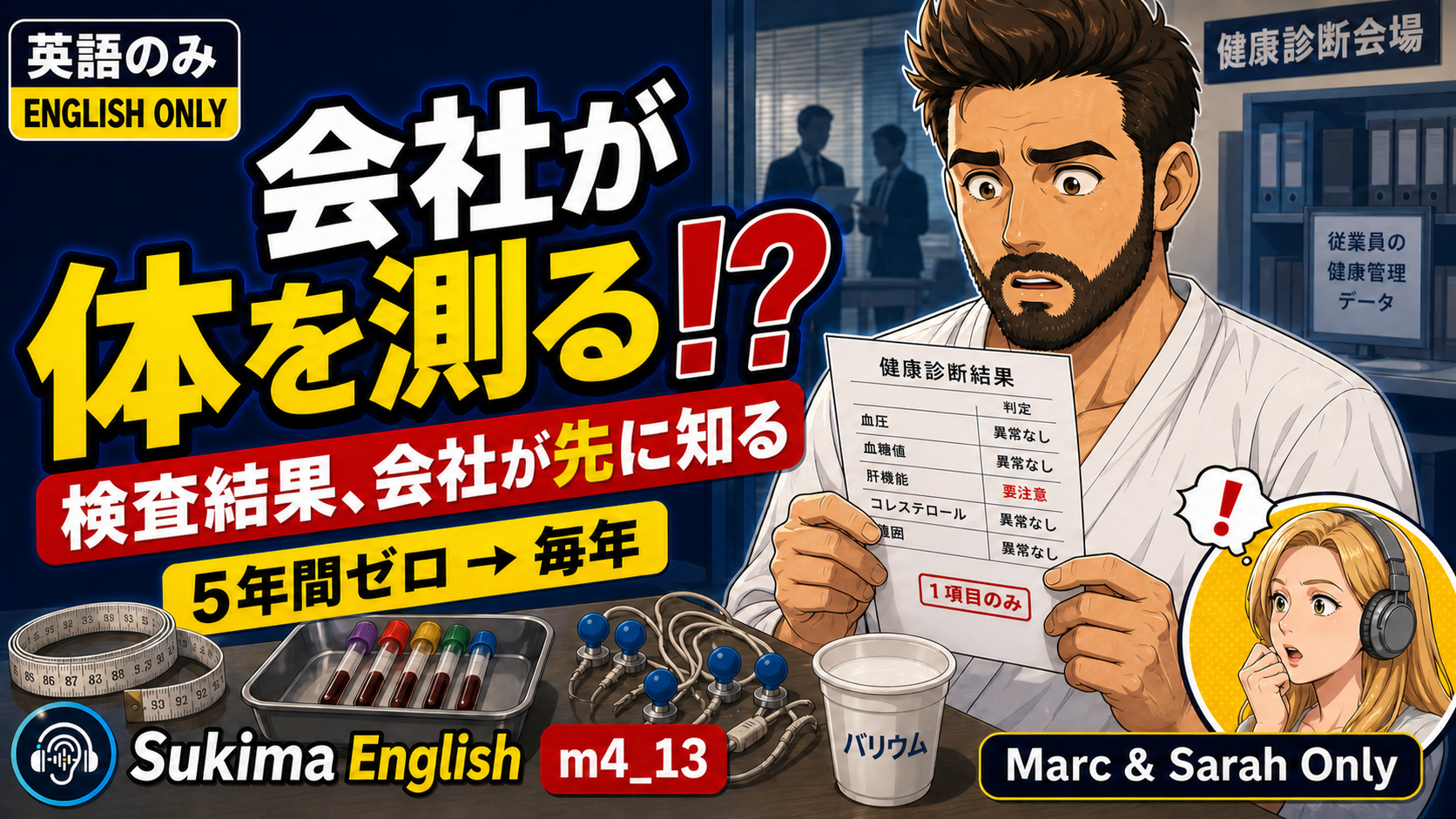
【日常英会話】英語のみ | 会社の健康診断、会社が自分の体の数値を持っている国——ネイティブが英語で語る健康診断 #英語学習 #ネイティブ英語会話 #リスニング強化
ポッドキャスト「すきまイングリッシュ」のスクリプト。「【日常英会話】英語のみ | 会社の健康診断、会社が自分の体の数値を持っている国——ネイティブが英語で語る健康診断 #英語学習 #ネイティブ英語会話 #リスニング強化」の会話全文です。