【シャドーイング付き英語ニュース】自動運転4分の1目標!ラン活二極化?サンリオ不適切報酬? | リスニング強化
YouTube「スキマ時間で英語を学ぼう」の英語ニュース解説です。
動画と合わせてリスニング・シャドーイングにご利用ください。
スクリプト
Welcome to Sukima English News! I'm Sarah. (スキマ英語ニュースへようこそ!サラです。)
And I'm Marc. (そして、マークです。)
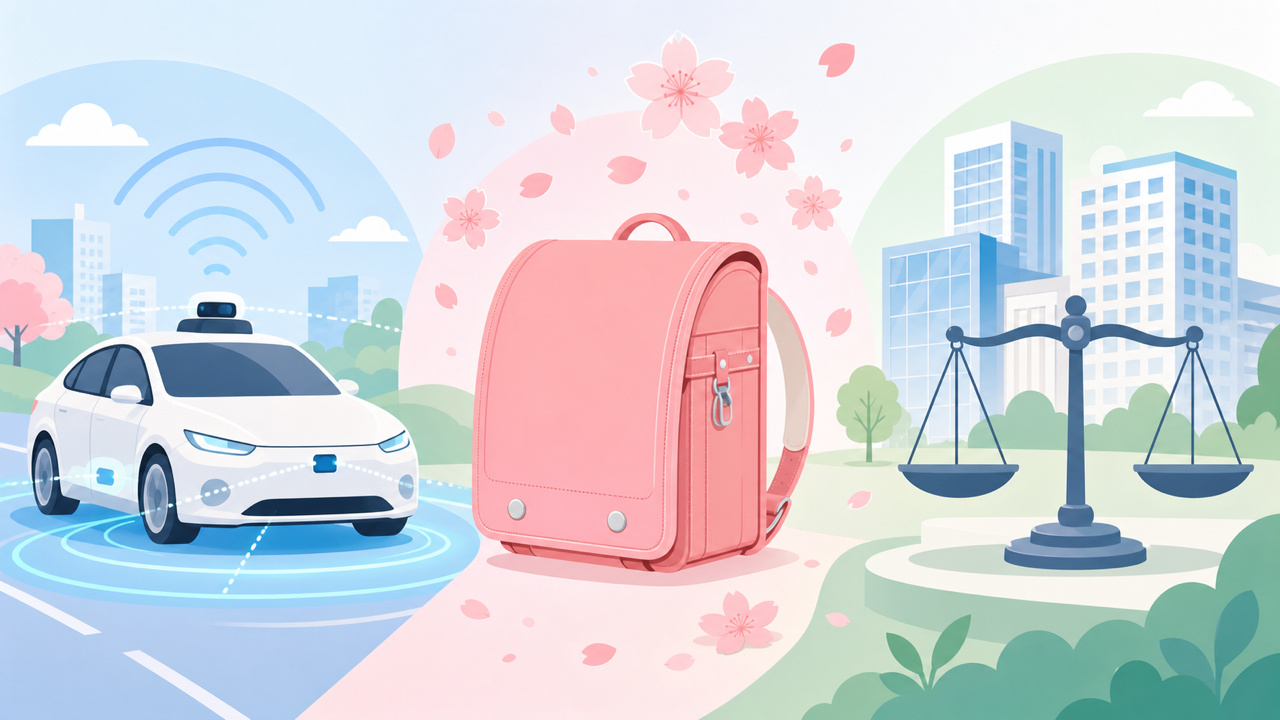
We'll start with Japan's ambitious self-driving car goals. (まずは日本の野心的な自動運転車の目標からお伝えします。)
Then, we'll look at the booming "randoseru" market and how to choose one. (次に、活況を呈している「ランドセル」市場と選び方について見ていきましょう。)
And finally, a report on alleged improper payments at Sanrio. (そして最後に、サンリオでの不適切支払い疑惑に関する報道です。)
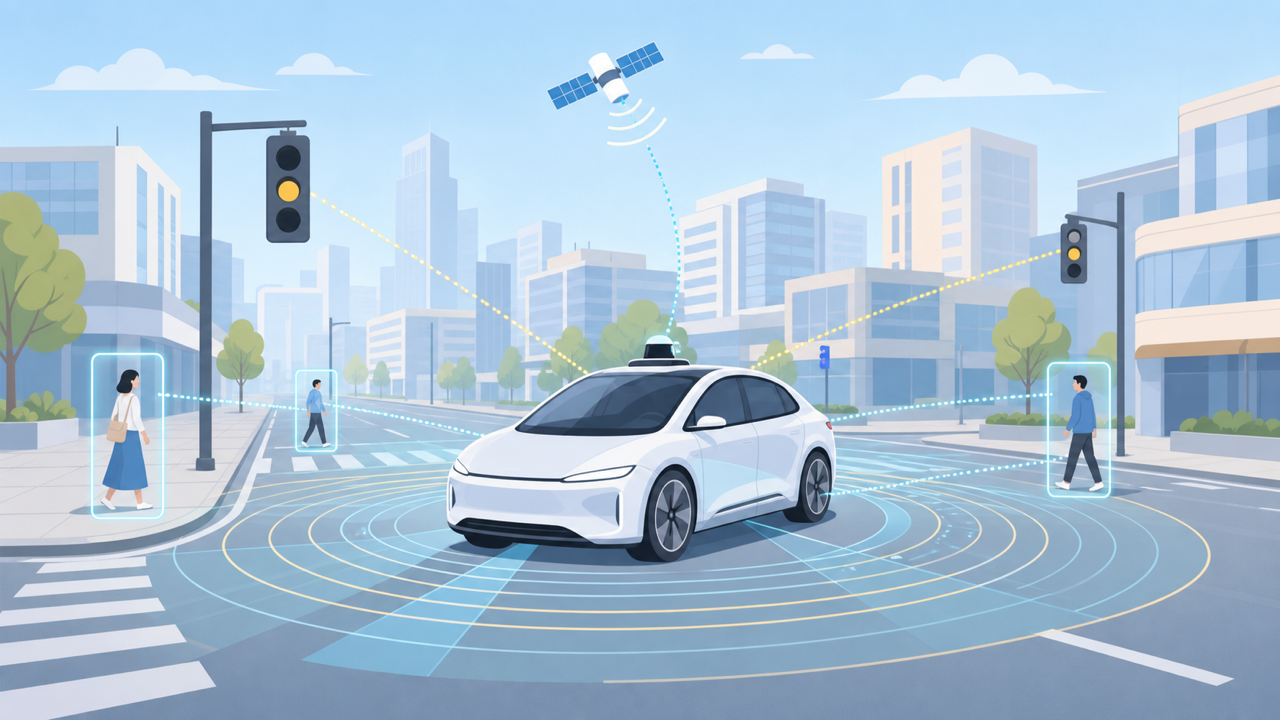
Our first story today is about Japan's ambitious growth strategy for the automotive sector. (今日の最初のニュースは、自動車分野における日本の野心的な成長戦略についてです。)
The government has set new numerical targets for over thirty products and technologies. (政府は30以上の製品と技術について、新たな数値目標を設定しました。)
A key goal is to secure one-quarter of the global market share for self-driving cars by the 2030s. (主要な目標は、2030年代までに自動運転車で世界の市場シェアの4分の1を確保することです。)
One-quarter, so about 25 percent? That sounds like a significant jump. (4分の1、つまり約25パーセントですか?それは大きな飛躍のように聞こえますね。)
What's the current situation for Japanese automakers in the self-driving market? (自動運転市場における日本の自動車メーカーの現在の状況はどうですか?)
Currently, Japan holds about 25 percent of the global car manufacturing market share. (現在、日本は世界の自動車製造市場シェアの約25パーセントを占めています。)
The idea is to leverage this existing strength for autonomous vehicles. (この既存の強みを自動運転車に活かそうという考えです。)
The strategy aims to boost investment in vehicle production and AI development for autonomous systems. (この戦略は、車両生産と自動運転システムのためのAI開発への投資を後押しすることを目指しています。)
So, it's about the entire technological ecosystem. (つまり、技術的なエコシステム全体ということですね。)
What are the main challenges Japan faces in achieving this 25 percent goal for self-driving cars? (日本が自動運転車でこの25パーセントの目標を達成するために直面している主な課題は何ですか?)
A major challenge is the rapid pace of development by other countries, particularly the US and China. (大きな課題は、特にアメリカや中国など、他国の急速な開発ペースです。)
They are already making significant strides in autonomous driving technology. (彼らはすでに自動運転技術で大きな進歩を遂げています。)
Japan needs to accelerate its own R&D, and focus on regulatory frameworks and infrastructure. (日本は自国の研究開発を加速させ、規制の枠組みとインフラに焦点を当てる必要があります。)
That makes sense. It's a global race. (なるほど。グローバルな競争ですね。)
Are there specific types of self-driving technology or vehicles Japan is focusing on? (日本が特に注力している自動運転技術や車両の種類はありますか?)
The strategy mentions investing in AI development for "end-to-end" autonomous driving systems. (戦略では、「エンドツーエンド」の自動運転システムのためのAI開発への投資が言及されています。)
This implies a focus on integrated solutions. (これは、統合されたソリューションに焦点を当てていることを示唆しています。)
They also plan to promote adoption by improving surrounding infrastructure. (また、周辺インフラを改善することで普及を促進する計画です。)
"End-to-end" sounds comprehensive. (「エンドツーエンド」は包括的ですね。)
You mentioned infrastructure. What kind of improvements are being considered? (インフラについて言及されましたが、どのような改善が検討されていますか?)
This likely includes enhanced road markings, better communication networks for V2X, and clear regulations. (これには、道路標示の強化、V2Xのための通信ネットワークの改善、明確な規制などが含まれるでしょう。)
The government's aim is to create an environment where autonomous vehicles can operate safely and efficiently. (政府の目標は、自動運転車が安全かつ効率的に運行できる環境を作ることです。)
This involves public and private sector collaboration. (これには、官民の連携が伴います。)
It sounds complex. (複雑そうですね。)
What are the potential benefits for Japan if they achieve this goal? (この目標を達成した場合、日本にはどのような潜在的なメリットがありますか?)
If successful, it could revitalize Japan's automotive industry, a core part of its economy. (成功すれば、経済の根幹である日本の自動車産業を活性化できる可能性があります。)
It would position Japan as a leader in a critical future technology, creating new jobs and export opportunities. (日本を将来の重要技術のリーダーとして位置づけ、新たな雇用と輸出機会を創出することになります。)
Widespread adoption could also lead to improved road safety and more efficient transportation. (幅広い普及は、道路の安全性の向上や、より効率的な交通にもつながる可能性があります。)
So, it's about economic growth and technological leadership. (つまり、経済成長と技術的リーダーシップに関わることなのです。)
Are there any international comparisons being made in this strategy? (この戦略では、国際的な比較は行われていますか?)
The strategy acknowledges the competitive landscape. (戦略では、競争環境を認識しています。)
It implicitly compares Japan's goals with those of other major automotive nations. (日本の目標と、他の主要自動車国の目標を暗に比較しています。)
The aim is to understand where others are heading and to ensure Japan remains competitive. (他国がどこに向かっているのかを理解し、日本が競争力を維持できるようにすることが目的です。)
So, it's a strategic move to not fall behind. (つまり、遅れをとらないための戦略的な動きなのです。)
How does this target of 25 percent relate to Japan's overall car manufacturing share? (この25パーセントという目標は、日本の自動車製造全体のシェアとどう関係するのですか?)
Japan's current global market share for car manufacturing is around 25 percent. (日本の現在の自動車製造における世界市場シェアは約25パーセントです。)
The government aims to replicate that success in the new, high-growth area of autonomous vehicles. (政府は、その成功を、自動運転車という成長分野で再現することを目指しています。)
It's ambitious, but they are leveraging existing strengths. (野心的ですが、既存の強みを活かしています。)
It’s interesting they are using their current manufacturing share as a benchmark. (現在の製造シェアをベンチマークとして使用しているのは興味深いですね。)
What's the timeframe for this strategy? You mentioned the 2030s. (この戦略の期間はどのくらいですか?2030年代に言及されていましたね。)
Yes, the goal is to secure that 25 percent global share for self-driving cars by the 2030s. (はい、目標は2030年代までに自動運転車でこの25パーセントの世界シェアを確保することです。)
This gives them about a decade to implement the necessary advancements and strategies. (これにより、必要な技術革新や戦略を実行するための約10年間の猶予が与えられます。)
It’s a long-term vision, but with concrete milestones. (長期的なビジョンですが、具体的なマイルストーンがあります。)
A decade to achieve such a significant market share is ambitious indeed. (これほど大きな市場シェアを達成するために10年というのは、確かに野心的ですね。)
What kind of technologies are considered crucial for this "end-to-end" system? (この「エンドツーエンド」システムに不可欠な技術とは、どのようなものですか?)
Key technologies include advanced sensors like lidar and radar, sophisticated AI for decision-making, and high-speed communication systems. (主要な技術には、ライダーやレーダーのような先進センサー、意思決定のための高度なAI、高速通信システムが含まれます。)
Vehicle-to-everything, or V2X, communication will be vital for safety and coordination. (車両対すべて(V2X)通信は、安全性と連携のために不可欠になります。)
Also, high-definition mapping and precise localization are essential. (また、高精細マッピングと正確な位置特定も不可欠です。)
So, it's a combination of hardware, software, and connectivity. (つまり、ハードウェア、ソフトウェア、そしてコネクティビティの組み合わせということですね。)
Are there any concerns about public acceptance or safety of these vehicles in Japan? (日本でのこれらの車両に対する一般の受け入れや安全性に関する懸念はありますか?)
Public acceptance is a factor the government will need to address through education and demonstration. (一般の受け入れは、政府が教育や実証を通じて取り組む必要がある要因です。)
Safety is paramount, and the strategy implies significant investment in ensuring these vehicles are reliable. (安全性は最優先事項であり、この戦略はこれらの車両が信頼できることを保証するための多大な投資を示唆しています。)
Building public trust will be as important as technological development. (技術開発と同じくらい、国民の信頼を築くことが重要になります。)
That’s a crucial point. People need to feel safe using them. (それは重要な点ですね。人々が安心して利用できる必要があります。)
How might this strategy impact the average Japanese consumer? (この戦略は、日本の一般消費者にどのような影響を与える可能性がありますか?)
For consumers, it could mean access to safer, more convenient transportation options. (消費者にとっては、より安全で便利な交通手段へのアクセスを意味する可能性があります。)
It might also lead to new mobility services and potentially lower transportation costs. (新しいモビリティサービスや、輸送コストの低下につながる可能性もあります。)
Ultimately, it aims to improve the quality of life through advanced technology. (最終的には、先端技術を通じて生活の質を向上させることを目指しています。)
It certainly has the potential to change daily life. (日常生活を変える可能性を秘めていることは確かです。)
So, to summarize, Japan is aiming for a significant share of the global self-driving car market by the 2030s. (ということで、まとめると、日本は2030年代までに世界の自動運転車市場で大きなシェアを獲得することを目指しています。)
This involves investing in AI, infrastructure, and leveraging existing manufacturing strengths. (これには、AIやインフラへの投資、そして既存の製造業の強みを活かすことが含まれます。)
That's right. It's a forward-looking strategy to ensure Japan remains a leader in the automotive industry. (その通りです。自動車産業における日本のリーダーシップを維持するための、将来を見据えた戦略です。)
The success of this plan will depend on strong execution and adaptation to a rapidly evolving global market. (この計画の成功は、強力な実行力と、急速に進化するグローバル市場への適応にかかっています。)
It's a story we'll be following closely. (これは、私たちが引き続き注視していくべき話です。)
Now, let's shift gears to "rankatsu," the process of choosing a school backpack, or randoseru, especially for families with young children in Japan. (さて、次は日本の特に小さなお子さんがいるご家庭で、ランドセル選びのプロセスである「ラン活」についてお話ししましょう。)
Ah, "rankatsu"! The way people choose randoseru is changing, isn't it? (ああ、「ラン活」ですね!ランドセルの選び方も変わってきていますよね?)
That's right. "Rankatsu" is now established, and the selection process is earlier and more diverse, leading to price polarization. (そうなんです。「ラン活」が定着し、選び方が早まり、多様化することで、価格の二極化が進んでいます。)
Polarization by price? So, some are very expensive, others affordable? (価格の二極化ですか?つまり、すごく高いものと手頃なものがあるということですか?)
Exactly. The randoseru is now a commemorative item, influenced by the declining birthrate, more budget per child, and grandparent support. (まさに。ランドセルは今や記念品であり、少子化、一人当たりの予算増加、祖父母からの支援といった影響を受けています。)
With fewer children, parents might spend more on a special item. Grandparents often spoil grandchildren. (子供が少ないと、親は特別なものにより多くのお金をかけるかもしれません。祖父母は孫を甘やかすことが多いですから。)
Indeed. Also, tablets and larger textbooks mean the randoseru needs to accommodate more, influencing size, function, and price range. (ええ。また、タブレットや教科書の大型化により、ランドセルはより多くのものを収納する必要があり、サイズ、機能、価格帯に影響を与えています。)
So, the bag's function is evolving. What does the data show? (つまり、バッグの機能も進化しているんですね。データはどう示していますか?)
The average purchase price is trending upwards. In fiscal year 2023, it was 58,524 yen. (平均購入価格は上昇傾向にあります。2023年度は58,524円でした。)
That's a significant amount for a school bag. (それはランドセルとしてはかなりの金額ですね。)
It is. Projected to rise to about 60,746 yen in fiscal year 2025 to 2026. This is up from around 51,300 yen in 2018, a jump of about 9,000 yen in six years. (ええ。2025年から2026年度には約60,746円に上昇すると予測されています。これは2018年の約51,300円から、6年間で約9,000円の上昇です。)
Wow, nearly 9,000 yen more. What are people buying? (わあ、約9,000円も高いんですね。皆さんは何を買っているんですか?)
Families choosing randoseru at 65,000 yen or more are most common, at 43.8 percent in the 2025 survey. (2025年の調査では、65,000円以上のランドセルを選ぶ家族が最も多く、43.8%を占めています。)
Almost half opt for high-end models. (半数近くが高額モデルを選んでいるんですね。)
Yes, and those spending 55,000 yen or more account for over 60 percent. This shows a strong trend towards higher-priced randoseru. (はい、そして55,000円以上の購入者は60%を超えています。これは高価格帯のランドセルへの強い傾向を示しています。)
So, the premium market is growing. But you mentioned polarization, implying affordable options still exist. (ということは、高級市場が成長しているんですね。でも、二極化に言及されていましたが、手頃な価格帯の選択肢もまだ存在するということですよね?)
That's a good point. Data also shows families choosing randoseru at 30,000 yen or less. This co-existence of high-end and budget-friendly choices suggests price polarization. (それは良い点です。データによると、30,000円以下のランドセルを選ぶ家族もいます。このように、高級品と手頃な価格帯の選択肢が共存していることが、価格の二極化を示唆しています。)
Interesting gap. What about timing? (興味深い差ですね。時期はどうですか?)
Choosing a randoseru is getting earlier. While the peak is May-August the year before enrollment, consideration often starts in April. Research is starting much earlier, even from year-end. (ランドセル選びは早まっています。入学前の5月から8月がピークですが、検討は4月から始まることが多いです。リサーチは年末からでもずっと早く始まっています。)
So, it's no longer a last-minute decision. (ということは、もうギリギリになってから決めるわけではないんですね。)
Far from it. Popular models sell out before summer, making "early is the standard" the norm. (全く違います。人気のモデルは夏前に売り切れてしまうため、「早期が標準」というのが常識になっています。)
And colors? Traditional or unique? (色は? 伝統的なものとユニークなもの?)
For boys, classic black remains popular but is slightly decreasing. Navy and muted blues are gaining. For girls, purple, especially lavender and violet, is most popular. Pink and sky blue are strong. (男の子は、定番の黒が人気ですが、少しずつ減っています。ネイビーや落ち着いたブルーが台頭しています。女の子は、紫、特にラベンダーやバイオレットが一番人気です。ピンクやスカイブルーも強いです。)
So, preferences exist, but less concentrated than before. (なるほど、好みはありますが、以前ほど集中してはいませんね。)
Right. The trend is towards individuals freely choosing colors based on personal preference, rather than a few dominating. (そうですね。少数の色が支配的になるのではなく、個々人が自分の好みに合わせて自由に色を選ぶ傾向にあります。)
What about materials? (素材はどうですか?)
Traditional artificial leather (Clarino) is decreasing. Natural materials like cowhide and horsehide have slightly decreased but are still chosen by many. (伝統的な人工皮革(クラリーノ)は減っています。牛革や馬革のような天然素材は少し減っていますが、依然として多く選ばれています。)
So, natural materials are still a significant choice. (ということは、天然素材は依然として重要な選択肢なのですね。)
Yes. However, there's growing demand for enhanced functionality: premium artificial leather, pearl finishes, waterproofing, and automatic locking mechanisms. (はい。しかし、機能性の向上への需要が高まっています。高級人工皮革、パール加工、防水機能、自動ロック機構などです。)
People want tradition and modern features, and will pay. How does this affect families? (伝統と最新機能を求めて、お金も払うんですね。これは家族にどう影響しますか?)
Rising prices and diversification impact purchasing. High-priced models feature superior materials, durability, comfort, and design. (価格の上昇と多様化が購入に影響を与えています。高価格帯のモデルは、優れた素材、耐久性、快適性、デザインが特徴です。)
They're chosen as "once-in-a-lifetime important purchases" and an investment for six years. (「一生に一度の大切な買い物」として、6年間の投資と見なされています。)
That makes sense as a long-term investment. (長期的な投資としては、なるほど、理にかなっていますね。)
On the other hand, consumers still seek functional bags at affordable prices or prioritize design. Diverse needs exist. (一方で、消費者は手頃な価格で機能的なバッグを探したり、デザインを優先したりもしています。多様なニーズが存在します。)
With earlier shopping and online research, consumers have more information. (早期の購入活動とオンラインでの情報収集により、消費者はより多くの情報を得ています。)
Absolutely. Earlier "rankatsu" and increased online research allow consumers more opportunities to compare information and select a randoseru that truly fits their needs. (まさにその通りです。早期の「ラン活」とオンラインでの情報収集の増加により、消費者は情報を比較し、自分のニーズに本当に合ったランドセルを選ぶ機会が増えています。)
Grandparent involvement also seems key. (おじいちゃん、おばあちゃんの関与も重要そうですね。)
That's a significant point. Many cases involve grandparents covering costs, often around holidays or during visits home. (それは大きなポイントです。多くの場合、祖父母が費用を負担しており、それは祝日や帰省の際が多いです。)
So, it's a family affair with different generations. This "rankatsu" trend reflects changes in Japanese society, from family structures to consumer expectations. (つまり、世代を超えた家族のイベントなのですね。この「ラン活」のトレンドは、家族構成から消費者の期待まで、日本の社会の変化を反映しています。)
Let's discuss Sanrio, the company behind Hello Kitty, and an investigation into one of its senior managing directors. (ハローキティの生みの親であるサンリオと、同社の専務取締役の一人に対する調査について話しましょう。)
Sanrio? What's the issue? (サンリオ? 何か問題があったんですか?)
A senior managing director is suspected of receiving inappropriate additional compensation from a subsidiary. This came to light through an internal report. (専務取締役が子会社から不適切な追加報酬を受け取っていた疑いが持たれています。これは社内報告によって明らかになりました。)
Inappropriate compensation? That sounds serious. (不適切な報酬? それは深刻そうですね。)
Reports suggest he may have received several hundred million yen over multiple years from Sanrio Inc., a subsidiary he managed. (報道によると、彼は自身が担当していた子会社であるサンリオ株式会社から、数年間にわたり数億円を受け取っていた可能性があります。)
Several hundred million yen? What has Sanrio done? (数億円ですか? サンリオはどうしたんですか?)
They've suspended the director's duties and are conducting a detailed investigation with an independent external organization. (その取締役は職務を停止され、独立した外部組織とともに詳細な調査を行っています。)
This is happening while Sanrio has been highlighting its efforts to strengthen corporate governance. (サンリオがコーポレート・ガバナンスの強化に力を入れていると強調している最中に、このようなことが起きているのですね。)
Exactly. The usual process involves a nomination and compensation committee for transparency. This suggests funds may have moved outside that formal process. (まさに。通常のプロセスでは、透明性のために指名・報酬委員会が関与します。これは、資金が正式なプロセス外で動いた可能性を示唆しています。)
So, the compensation might not have gone through proper channels. What's Sanrio's policy on executive pay? (つまり、報酬が正規の手続きを経ずに支払われた可能性があるということですね。サンリオの役員報酬に関する方針はどうなっていますか?)
According to their website, executive compensation includes fixed pay, bonuses, and stock options. Amounts are decided by the board based on policy. (ウェブサイトによると、役員報酬は固定給、賞与、ストックオプションで構成されています。金額は方針に基づき取締役会によって決定されます。)
And there's a shareholder-approved limit, right? (そして、株主承認の限度額もありますよね?)
Yes, the limit for directors' monetary compensation was set at 600 million yen annually, with an additional 200 million yen for stock options. (はい、役員への金銭報酬の上限は年間6億円、ストックオプションは2億円までと定められています。)
The total compensation for directors in the fiscal year ending March 2025 was about 419 million yen for six people. That seems within limits. (2025年3月期決算の役員報酬総額は6人で約4億1900万円でした。これは上限内のように見えます。)
It does. However, the suspicion is about additional payments outside this official structure, from a subsidiary he oversaw. (そうですね。ただ、疑われているのは、彼が管轄していた子会社からの、この公式な枠組みの外での追加の支払いについてです。)
The report mentioned "several hundred million yen" over multiple years. Is there any precedent for individual directors receiving over 100 million yen? (報告書には数年間にわたって「数億円」とありました。個々の役員が1億円を超える報酬を受け取った前例はありますか?)
In the fiscal year ending March 2020, the then-chairman, Mr. Tsuji, disclosed receiving 116 million yen, which was fixed compensation only. (2020年3月期には、当時の辻会長が固定報酬のみで1億1600万円を受け取ったと開示しています。)
So, while high compensation isn't new, the nature of this suspected payment is different. What are the implications for Sanrio and other Japanese companies? (つまり、高額報酬は新しいことではありませんが、今回の疑われている支払いの性質は異なります。これはサンリオや他の日本企業にどのような影響を与えるのでしょうか?)
It's a blow to Sanrio's corporate governance image, raising questions about internal controls. (サンリオのコーポレートガバナンスのイメージに打撃を与え、内部統制への疑問を投げかけています。)
If a company is trying to show governance improvement, this undermines that message. (もし企業がガバナンス改善を示そうとしているなら、これはそのメッセージを損なうものです。)
Absolutely. It also highlights the importance of strict adherence to compensation policies. (まったくです。報酬ポリシーの厳格な遵守の重要性も浮き彫りにしています。)
And this could affect investor confidence? (そして、これは投資家の信頼に影響する可能性がありますか?)
It certainly could. Investors expect transparency and fairness. (確かにそうなる可能性があります。投資家は透明性と公正さを期待しています。)
Are there specific regulations in Japan for this? (日本にはこれに関する具体的な規制はありますか?)
Yes, the Corporate Governance Code requires listed companies to disclose executive compensation policies and decision-making processes. (はい、コーポレートガバナンス・コードは、上場企業に対し、役員報酬ポリシーや意思決定プロセスを開示することを義務付けています。)
Individual disclosures are mandatory for those earning over 100 million yen. (1億円を超える報酬を受け取った個人については、個別の開示が義務付けられています。)
So, companies must be open about executive pay. (つまり、企業は役員報酬についてオープンにしなければならないのですね。)
They are. And the information is publicly available. (そうです。そして、その情報は公開されています。)
What's the broader impact for Japanese businesses and consumers? (日本の企業や消費者へのより広範な影響は何でしょうか?)
For businesses, it's a reminder to reinforce internal checks. For consumers, it's about trusting companies operate ethically. (企業にとっては、内部チェックを強化するよう促すものです。消費者にとっては、企業が倫理的に事業を行っていると信頼することに関わってきます。)
It makes you wonder if similar issues are happening elsewhere. (他の場所でも同様の問題が起きているのではないかと疑問に思ってしまいます。)
That's always a possibility. Thorough internal investigations and a culture that encourages reporting are vital. (それは常に可能性としてあります。徹底した内部調査と、報告を奨励する文化が不可欠です。)
So, Sanrio is investigating, but the outcome depends on the findings. (サンリオは調査中ですが、結果は調査結果次第ということですね。)
That's right. The focus is on a thorough investigation and then implementing measures to prevent recurrence. (その通りです。徹底的な調査を行い、再発防止策を講じることが焦点です。)
Hopefully, this leads to stronger governance at Sanrio and serves as a lesson. (これがサンリオのガバナンス強化につながり、教訓となることを願っています。)
Indeed. It's a complex issue touching on trust, transparency, and responsible business principles. (まさに。これは信頼、透明性、そして責任ある事業原則に関わる複雑な問題です。)
Thank you, Marc, for breaking this down. It shows how important good corporate governance is. (マークさん、解説していただきありがとうございました。良いコーポレートガバナンスがいかに重要かがよくわかります。)
My pleasure, Sarah. It's a story that will continue to develop. (どういたしまして、サラ。これは今後も展開していく話です。)
今日のキーワード
Now let's look at some key vocabulary from today's stories. (さて、今日のニュースからいくつか重要な語彙を見てみましょう。)
First, from our story on Japan's growth strategy, we have "numerical targets". (まず、日本の成長戦略に関するニュースから、「数値目標」です。)
This means specific numbers or goals that a government or company wants to achieve. (これは、政府や企業が達成したい具体的な数字や目標を意味します。)
For example: The company set numerical targets for increasing sales by 15 percent next year. (例えば、「その会社は来年、売上を15パーセント増加させるという数値目標を設定しました。」)
Setting clear goals like that can be very motivating. (そういう明確な目標を設定することは、とてもやる気につながりますよね。)
Moving on to our second story, about school backpacks, a useful phrase is "price polarization". (では、2つ目の学校のランドセルに関するお話に移りましょう。そこで役立つフレーズは「価格の二極化」です。)
This describes a situation where prices for a product are divided into two extremes, very high and very low. (これは、ある商品の価格が、非常に高いものと非常に低いものという、二つの極端に分かれている状況を表します。)
For example: The market is experiencing price polarization, with luxury goods and budget options booming. (例えば、「高級品と低価格帯の商品が共に好調で、市場は価格の二極化を経験しています。」)
That makes sense for items where people have very different ideas about value. (値段に対する考え方が人それぞれ大きく違う商品にとっては、理にかなっていますね。)
Next, from the Sanrio story, we have "inappropriate compensation". (次に、サンリオのお話から、「不適切な報酬」という言葉を見てみましょう。)
This refers to extra payments or benefits received by an employee that are not allowed or are unethical. (これは、従業員が受け取る、許可されていない、あるいは倫理に反する追加の支払いやすべての利益を指します。)
For example: The executive was investigated for receiving inappropriate compensation from a supplier. (例えば、「その役員は、サプライヤーから不適切な報酬を受け取ったとして調査されました。」)
That's a serious accusation. (それは深刻な告発ですね。)
Indeed. Back to our first story about self-driving cars, let's look at "leverage this existing strength". (ええ。最初の自動運転車のお話に戻り、「この既存の強みを活かす」を見てみましょう。)
To leverage something means to use it to gain an advantage or achieve a goal. (何かを「活かす」とは、それを有利に進めるため、あるいは目標を達成するために使うことです。)
For example: They plan to leverage their strong brand recognition to enter new markets. (例えば、「彼らは、強力なブランド認知度を活かして、新しい市場に参入する計画です。」)
So, using what you already have to get ahead. (つまり、すでに持っているものを活用して、先に進むということですね。)
Exactly. And from the randoseru story, consider "accommodate more". (その通りです。そしてランドセルのお話から、「もっと収容する」を考えてみましょう。)
This means to have enough space or be able to hold something extra. (これは、十分なスペースがある、または追加のものを入れることができるという意味です。)
For example: This new backpack can accommodate a laptop and several textbooks. (例えば、「この新しいランドセルは、ノートパソコンと数冊の教科書を収容できます。」)
That’s a practical consideration for students. (学生にとっては実用的な配慮ですね。)
And our last one, from the Sanrio story, is "corporate governance". (そして最後は、サンリオのお話から、「コーポレート・ガバナンス」です。)
This refers to the system of rules, practices, and processes by which a company is directed and controlled. (これは、会社が運営・管理されるための規則、慣行、プロセスのシステムを指します。)
For example: Strong corporate governance is essential for building investor trust. (例えば、「投資家の信頼を築くためには、しっかりしたコーポレート・ガバナンスが不可欠です。」)
Transparency and accountability are key parts of that, I imagine. (透明性と説明責任が、その重要な部分を占めるのでしょうね。)
シャドーイング用セクション
B: Japan aims to leverage this existing strength in car manufacturing for autonomous vehicles. (日本は、自動車製造におけるこの既存の強みを、自動運転車のために活かすことを目指しています。)
A: Let's try that one more time at normal speed. (もう一度、通常のスピードでやってみましょう。)
B: Japan aims to leverage this existing strength in car manufacturing for autonomous vehicles. (日本は、自動車製造におけるこの既存の強みを、自動運転車のために活かすことを目指しています。)
B: Modern randoseru need to accommodate more textbooks and tablets used in Japanese schools. (最近のランドセルは、日本の学校で使われる教科書やタブレットを、もっと多く収容する必要があります。)
A: Let's try that one more time at normal speed. (もう一度、通常のスピードでやってみましょう。)
B: Modern randoseru need to accommodate more textbooks and tablets used in Japanese schools. (最近のランドセルは、日本の学校で使われる教科書やタブレットを、もっと多く収容する必要があります。)
B: Families are experiencing price polarization when choosing school backpacks. (家族は、ランドセルを選ぶ際に、価格の二極化を経験しています。)
A: Let's try that one more time at normal speed. (もう一度、通常のスピードでやってみましょう。)
B: Families are experiencing price polarization when choosing school backpacks. (家族は、ランドセルを選ぶ際に、価格の二極化を経験しています。)
B: The Japanese government set numerical targets to secure one-quarter of the global self-driving car market by the 2030s. (日本政府は、2030年代までに世界の自動運転車市場の4分の1を確保するという数値目標を設定しました。)
A: Let's try that one more time at normal speed. (もう一度、普通のスピードでやってみましょう。)
B: The Japanese government set numerical targets to secure one-quarter of the global self-driving car market by the 2030s. (日本政府は、2030年代までに世界の自動運転車市場の4分の1を確保するという数値目標を設定しました。)
B: Sanrio is investigating allegations of inappropriate compensation paid by a subsidiary to a senior director. (サンリオは、子会社が役員に支払った不適切な報酬の疑惑を調査しています。)
A: Let's try that one more time at normal speed. (もう一度、普通のスピードでやってみましょう。)
B: Sanrio is investigating allegations of inappropriate compensation paid by a subsidiary to a senior director. (サンリオは、子会社が役員に支払った不適切な報酬の疑惑を調査しています。)
B: Sanrio's corporate governance is under scrutiny after allegations of inappropriate compensation emerged. (不適切な報酬の疑惑が浮上した後、サンリオのコーポレートガバナンスが精査されています。)
A: Let's try that one more time at normal speed. (もう一度、普通のスピードでやってみましょう。)
B: Sanrio's corporate governance is under scrutiny after allegations of inappropriate compensation emerged. (不適切な報酬の疑惑が浮上した後、サンリオのコーポレートガバナンスが精査されています。)
That’s all for today's Sukima English News. (今日のスキマ英語ニュースはここまでです。)
Thank you for joining us! Keep practicing your English every day. (ご参加いただきありがとうございました!毎日英語の練習を続けてくださいね。)
Subscribe to our channel for more news lessons. (さらなるニュースレッスンにご登録ください。)
See you next time on Sukima English News! (次回のスキマ英語ニュースでお会いしましょう!)
関連記事
【シャドーイング付き英語ニュース】自民 再生目標提言!姉川の戦い家康の武功?小学館 第三者委ホットライン設置 | リスニング強化
【シャドーイング付き英語ニュース】自動運転25%目標!ちきゅう号の泥採取?囲碁名人戦、虎丸棋聖首位! | リスニング強化
【シャドーイング付き英語ニュース】画像編集AI登場!国債銘柄残高公開?JR北 上下分離案! | リスニング強化