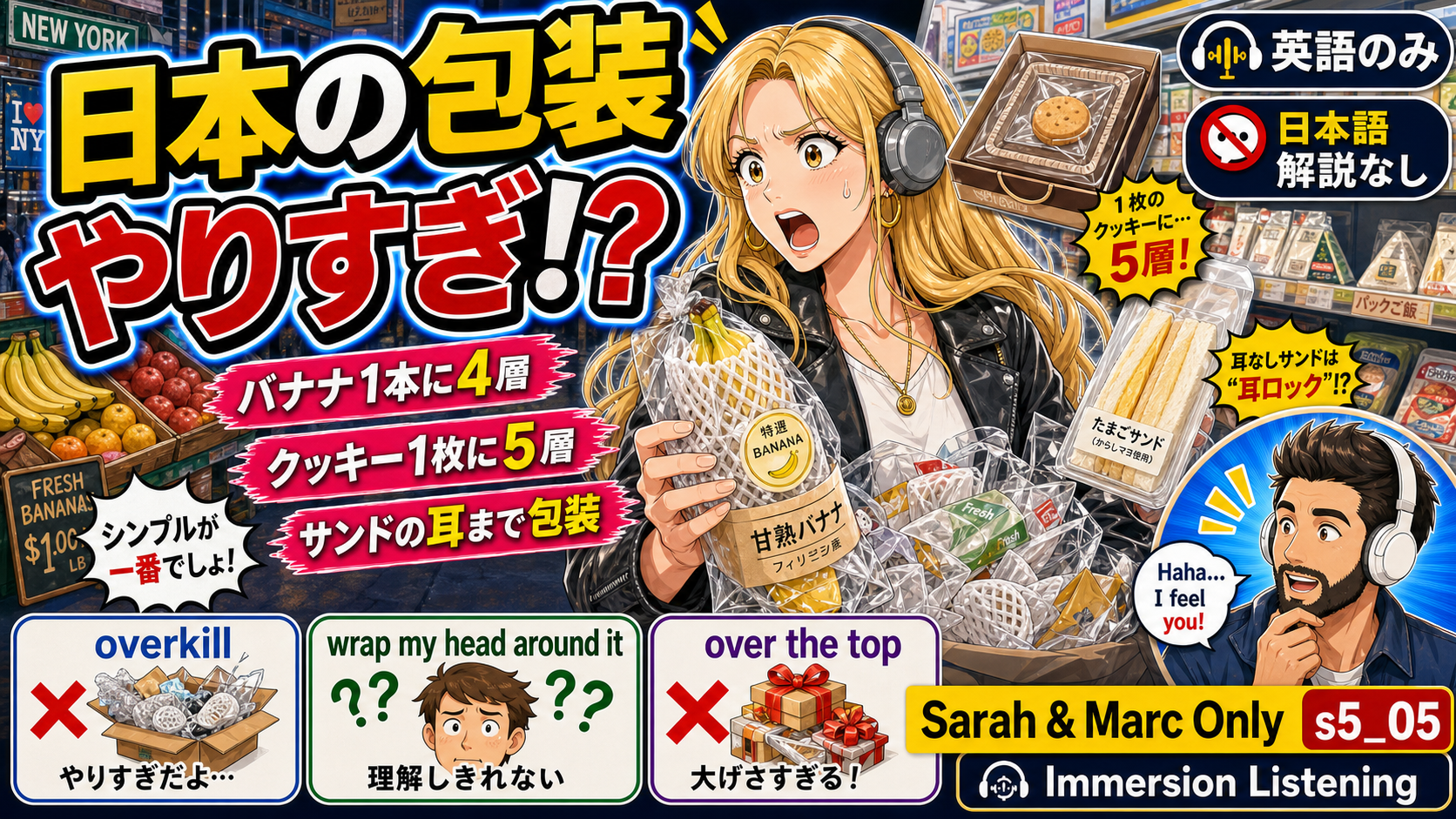
【英語学習】英語のみ | ここが変だよ、日本 - バナナ1本に4層・クッキー1枚に5層 #英語学習 #ネイティブ英語会話 #リスニング強化 #英語耳
ポッドキャスト「すきまイングリッシュ」のスクリプト。「【英語学習】英語のみ | ここが変だよ、日本 - バナナ1本に4層・クッキー1枚に5層 #英語学習 #ネイティブ英語会話 #リスニング強化 #英語耳」の会話全文です。

サラ: Okay. So today we have to talk about something. (日本語訳: えっと、今日話さなきゃいけないことがあるんだけど。)
Marc: Should I be scared. (日本語訳: 怖がった方がいい?)
サラ: A little bit. We are talking about packaging. (日本語訳: ちょっとね。パッケージの話をするんだ。)
Marc: Oh no. Are we doing this. (日本語訳: あー、もう。やるの、これ。)
サラ: We are doing this. The Japanese packaging situation. I still cannot wrap my head around it. (日本語訳: やるよ。日本のパッケージ事情。私、まだ全然腑に落ちないんだよね。)
Marc: After two and a half years. (日本語訳: 2年半経つのに?)
サラ: After two and a half years. (日本語訳: 2年半経ったよ。)
Marc: I have been waiting for this episode. (日本語訳: このエピソード、ずっと待ってたんだ。)
サラ: I know you have. You have seen me unwrap things in your kitchen and judge me for it. (日本語訳: 知ってる。君のキッチンで私が何かを開封して、それで私がダメ出ししてるの、君、見たもんね。)
Marc: I have, yeah. You make a face every time. (日本語訳: うん、そうだよ。毎回変な顔するんだもん。)
サラ: I make the face because the packaging makes the face first. (日本語訳: 顔はね、パッケージの方が先に顔を作るんだよ、私に。)
Marc: Okay. Where do we start. (日本語訳: なるほど。どこから始める?)
サラ: We start with a banana. (日本語訳: バナナからだよ。)
Marc: Oh boy. Here we go. (日本語訳: うわー、始まった。)
サラ: One single banana. From the supermarket near my apartment. You know the one. (日本語訳: バナナ1本。私の家の近くのスーパーのやつ。あの店、わかるでしょ?)
Marc: The chain place. Near the station. (日本語訳: あのチェーン店。駅の近くの。)
サラ: That one. They sell single bananas. As in, one banana, individually wrapped, sitting in its own little tray. (日本語訳: そう、あそこ。バナナを1本で売ってるんだ。つまり、バナナ1個が、個別のトレイに1個ずつ入って売られてるんだよ。)
Marc: Sure, I have seen it. (日本語訳: うん、見たことあるよ。)
サラ: Marc. A banana already has a wrapper. It is called a peel. Nature wrapped it. The job is done. (日本語訳: マーク。バナナにはもうラッパーがいるんだよ。皮だ、皮。自然がそれを包んだんだ。仕事は終わってるんだよ。)
Marc: I am with you on the peel point. (日本語訳: 皮の話は、君に全面的に同意するよ。)
サラ: But here, the peel is layer one. Then there is a thin foam sock around the banana, in case the banana gets bruised on the train ride home. (日本語訳: でも日本では、皮がまず一层目。そしてバナナが電車で揺られて傷つかないように、薄い発泡スチロールの袋に入ってるんだ。)
Marc: It is a delicate banana. (日本語訳: デリケートなバナナなんだね。)
サラ: It is a very delicate banana. Then over the foam, there is a clear plastic film. Then a sticker with the price. Then sometimes a paper sleeve advertising that it is from the Philippines. (日本語訳: そう、すごくデリケートなバナナ。さらにその発泡スチロールの上には、透明なプラスチックフィルム。そして値段のシール。さらにフィリピン産であることを宣伝する紙のスリーブがついてることもある。)
Marc: So that is four layers. (日本語訳: つまり、4層構造なんだ。)
サラ: That is four layers. For a banana. That you eat in like ninety seconds. (日本語訳: そう、4層。バナナのために。しかも90秒くらいで食べちゃうのに。)
Marc: When you put it that way. (日本語訳: その言い方だと。)
サラ: There is no other way to put it. It is overkill. It is textbook overkill. (日本語訳: 他に言い方はないよ。やりすぎ。まさにやりすぎ。)
Marc: I will give you the banana one. The banana is hard to defend. (日本語訳: バナナに関しては、まあ、認めるよ。バナナは擁護しにくい。)
サラ: Thank you. (日本語訳: ありがとう。)
Marc: But — and I am going to do this a lot today — let me try. (日本語訳: でも、今日何度もそうするつもりだけど、ちょっと弁護させて。)
サラ: Go ahead. Defend the banana. (日本語訳: どうぞ。バナナを擁護して。)
Marc: The single banana exists because the customer is, say, an office worker. They want one banana at three p.m. for their afternoon snack. They do not want six bananas. (日本語訳: 1本売りのバナナがあるのは、例えばオフィスワーカーのお客さんが、午後3時にバナナを1本、おやつに食べたいからなんだ。6本もいらない。)
サラ: Okay, with you so far. (日本語訳: うん、そこまでは分かる。)
Marc: The store wraps it so the banana does not touch other people's bananas on the shelf. So it does not get squished in the bag with the bento and the iced coffee. So it stays presentable. (日本語訳: お店がそれを包むのは、棚に並んだ他のバナナと触れないように。お弁当とかアイスコーヒーと一緒にカバンの中で潰れないように。だから、見た目がきれいなままでいられる。)
サラ: Presentable. (日本語訳: 見た目がきれい。)
Marc: For the desk. You eat it at your desk. In front of coworkers. You do not want a bruised banana on the desk at three p.m. (日本語訳: デスクで食べるためだよ。同僚の前で。午後3時に、傷んだバナナをデスクに置きたくないでしょ。)
サラ: Marc. In New York, I bought bananas off a fruit cart on Lexington and 79th. The guy handed me the banana. I put it in my pocket. I ate it walking up the avenue. It had been touched by twelve other bananas and probably a pigeon. (日本語訳: マーク。ニューヨークでは、レキシントンと79丁目のフルーツカートでバナナを買ってた。男の人がバナナを渡してくれて、ポケットに入れて、通りを歩きながら食べた。他のバナナ12本と、おそらく鳩にも触られてただろうけど。)
Marc: And that is also fine. (日本語訳: それもそれでいいんだよね。)
サラ: That is also fine. The banana survived. (日本語訳: それもいい。バナナは生き残った。)
Marc: I am not saying yours is wrong. I am saying theirs is not random. Five years in, I see the why. (日本語訳: 君のが間違ってるって言ってるんじゃないんだ。ただ、彼らのやり方が無作為じゃないって言いたいんだ。5年住んで、その理由が見えてきたよ。)
サラ: See, that is the part that gets me. The why is there. The care is there. But the math of how much plastic per calorie of banana — it does not sit right with me. (日本語訳: ほら、そこが私をイラッとさせるところなんだよ。理由はあるし、気遣いもある。でも、バナナ1本あたりのカロリーに対するプラスチックの量っていう計算が、どうも腑に落ちないんだ。)
Marc: That is a fair line. It does not sit right with me either. It just stopped surprising me. (日本語訳: それはもっともな意見だね。僕も腑に落ちないよ。ただ、もう驚かなくなっちゃったんだ。)
サラ: Which is its own problem. (日本語訳: それ自体が問題だね。)
Marc: It is its own problem. (日本語訳: それ自体が問題だよ。)
サラ: Okay. Banana aside. Can we talk about cookies. (日本語訳: よし。バナナの話はこれくらいにして、クッキーの話をしてもいい?)
Marc: Please, yes. (日本語訳: もちろんだよ、ぜひ。)
サラ: I went into a Tokyo Banana shop at Haneda last spring. To send something to my mom. (日本語訳: この春、羽田空港で東京ばな奈のお店に入ったんだ。母に何か送ろうと思ってね。)
Marc: Classic move. (日本語訳: 定番だね。)
サラ: Yes. So I buy the box. The box is beautiful. Pale yellow, embossed, ribbon. Already that is more box than a cookie deserves. (日本語訳: そう。それで箱を買ったんだけど、箱がすごくきれいなんだ。淡い黄色で、型押しされてて、リボンもかかってる。もう、クッキーにはもったいないくらいの箱だよ。)
Marc: Already box one of four. (日本語訳: もう箱1個目だね。)
サラ: Box one of four. Inside the outer box, there is an inner box. Cardboard. With a window. (日本語訳: 箱1個目。外側の箱の中に、内側の箱があるんだ。窓付きの段ボールの箱。)
Marc: For the cookies to see out. (日本語訳: クッキーが外を見るためだね。)
サラ: For the cookies to see out, exactly. Inside the inner box, the eight cookies are in a tray. A molded plastic tray. Each cookie in its own little crater. (日本語訳: クッキーが外を見るため、そうそう。内側の箱の中には、8枚のクッキーがトレイに入ってる。型抜きプラスチックのトレイ。それぞれのクッキーが、自分だけの小さなくぼみに収まってる。)
Marc: A custom crater per cookie. (日本語訳: クッキーごとにカスタムされたくぼみ、ってわけだ。)
サラ: A custom crater per cookie. And then — and then — each cookie has its own individual plastic wrapper. Heat-sealed. With a tab to peel. (日本語訳: クッキーごとにカスタムされたくぼみ。で、さらに、さらに、それぞれのクッキーには個別のプラスチックの包装がされてるんだ。熱で封されてて、めくるためのタブ付き。)
Marc: That is layer four. (日本語訳: それが4層目だね。)
サラ: That is layer four. And inside the wrapper, the cookie is sitting on a tiny paper napkin shaped like a fan. (日本語訳: 4層目だよ。そして包装を開けると、クッキーが扇の形をした小さな紙ナプキンに載ってるんだ。)
Marc: A fan, really. (日本語訳: 扇の形、マジで?)
サラ: A small decorative paper fan, in case the cookie gets lonely in there. (日本語訳: 小さくて装飾的な紙の扇。クッキーがそこで寂しくならないように、ってことかな。)
Marc: That is five layers. (日本語訳: それは5層だね。)
サラ: That is five layers. For one cookie. That I will eat in three bites. The cookie itself is the size of my thumb. (日本語訳: クッキー1枚にそれが5層だよ。3口で食べちゃうのに。クッキー自体は親指サイズなのに。)
Marc: Okay, this one I cannot defend as easily. (日本語訳: ああ、これはちょっと擁護できないな。)
サラ: Go ahead. Try me. (日本語訳: さあ、どうぞ。かかってきなさいよ。)
Marc: I will try. The gift culture here is loud. Not loud loud, but loud in the sense that the gift is supposed to perform. (日本語訳: やってみるよ。こっちのギフト文化って、うるさいんだ。大声でうるさいんじゃなくて、ギフト自体が何かを物語るって意味でね。)
サラ: Perform. (日本語訳: 物語る?)
Marc: The gift is supposed to look like care. You hand someone a box, and the box itself says, I thought about you for ten minutes longer than I needed to. (日本語訳: ギフトは思いやりを表現するものなんだ。箱を渡すと、その箱自体が「君のために、必要以上に10分間考えたよ」って言ってるようなもんだ。)
サラ: And the second box says, I thought about you for twelve minutes. (日本語訳: そして2つ目の箱は「12分間考えたよ」って言ってるわけね。)
Marc: And the ribbon says, I went to a real shop, not the konbini. (日本語訳: リボンは「コンビニじゃない、ちゃんとした店に行ったんだ」って言ってる。)
サラ: And the individual wrapper says, you can share these with your coworkers without your hand touching theirs. (日本語訳: そして個包装は「同僚と、手が触れないようにシェアできるよ」って言ってる。)
Marc: Right. That is real. That is a hygiene thing in an office. (日本語訳: そうそう。それはリアルだ。オフィスでは衛生面の問題だもんね。)
サラ: Okay. I will give you the hygiene piece. (日本語訳: うん、衛生面は認めるわ。)
Marc: But what? (日本語訳: でも?)
サラ: But. My mom opened the box in her kitchen in New York. She is a woman who keeps her Chips Ahoy in the original bag with a clip from the deli. That is her system. That is her whole system. (日本語訳: でもね。母がニューヨークのキッチンで箱を開けたの。彼女はチップスアーミーをデリでもらったクリップでそのままの袋に入れておくような人よ。それが彼女のシステム。)
Marc: I love her system. (日本語訳: そのシステム、気に入ったよ。)
サラ: She opened my Tokyo Banana box. She said, on the phone, "Sarah, this is a small museum of plastic." (日本語訳: 彼女が私の東京バナナの箱を開けた時、電話口でこう言ったの。「サラ、これってプラスチックの小さな博物館ね」って。)
Marc: Ouch, that is harsh. (日本語訳: うわー、それはキツいな。)
サラ: She was not being mean. She was being honest. She said it took her four minutes to get to the cake. By minute three she was tired. (日本語訳: 彼女、意地悪してたわけじゃないのよ。正直だっただけ。ケーキにたどり着くまで4分かかったって。3分後にはもう疲れてたって言ってた。)
Marc: She was tired. (日本語訳: 疲れてたんだ。)
サラ: She was tired of opening her gift. The gift made her tired. That is when I knew this was going to be a forever conversation for me. (日本語訳: プレゼントを開けるのに疲れてたのよ。プレゼントに疲れさせられた。これで、この話は私の中で永遠に続くんだろうなって思ったわ。)
Marc: I have my own version of this. (日本語訳: 俺にも似たような経験があるよ。)
サラ: Tell me. (日本語訳: 教えてよ。)
Marc: My mom in Chicago bakes chocolate chip cookies in a baking sheet, breaks them apart with her hands, throws them in a Tupperware container with no separation, slaps the lid on, hands you the whole thing. (日本語訳: シカゴの母はチョコチップクッキーをベイクシートで焼いて、手で割って、仕切りなしのタッパーウェアに入れて、蓋をして、全部渡してくるんだ。)
サラ: That is the cookie experience. (日本語訳: それがクッキー体験だよ。)
Marc: That is the cookie experience. The cookies touch each other. They get a little smushed together. You eat one, you eat three. There is no peeling involved. (日本語訳: それがクッキー体験だよ。クッキー同士が触れ合って、ちょっと押しつぶされるんだ。ひとつ食べると、3つ食べちゃう。剥がすなんてないよ。)
サラ: There is no peeling involved. There is no decorative fan. (日本語訳: 剥がすなんてないよ。飾り扇もない。)
Marc: There is no decorative fan. And no one feels shortchanged. They feel more cared for, in a way. (日本語訳: 飾り扇もないし、誰も損した気分にならない。むしろ、より大切にされてるって感じるんだ。)
サラ: Right. Because the cookie did not perform care. The cookie just was care. (日本語訳: そうね。クッキーは思いやりを演じたわけじゃなく、クッキーそのものが思いやりだったってことね。)
Marc: That is well said. (日本語訳: うまいこと言うね。)
サラ: I am stealing it for my notes app. (日本語訳: メモアプリにいただくわ。)
Marc: You and your notes app. (日本語訳: 君と君のメモアプリね。)
サラ: Always. Okay, third one. The sandwich. (日本語訳: いつもそう。じゃあ3つ目。サンドイッチ。)
Marc: Konbini sandwich, oh boy. (日本語訳: コンビニサンド、うわー。)
サラ: Konbini sandwich. White bread. Crusts off. Cut on the diagonal. Egg salad in the middle. So far so good. (日本語訳: コンビニサンド。白いパン。耳はカット。斜めカット。真ん中にたまごサラダ。ここまではいい。)
Marc: I love a konbini sando. (日本語訳: コンビニサンド好きだよ。)
サラ: I love them too. That is the painful part. I love the product. I am about to complain about the packaging anyway. (日本語訳: 私も好きなんだ。そこが辛いところ。商品自体は好き。それでもやっぱりパッケージに文句を言おうとしてる。)
Marc: Go for it. (日本語訳: どうぞ。)
サラ: The sando is in a plastic triangle. Fine. Standard. I get it. The triangle is sealed. Fine. (日本語訳: サンドイッチはプラスチックの三角に入ってる。それでいい。普通だ。わかる。その三角は密閉されてる。それでいい。)
Marc: Sure, classic. (日本語訳: ええ、定番だね。)
サラ: But the first time I bought one — three months in, I think — I looked closely at the package. And there was a second smaller triangle inside the first one. (日本語訳: でも初めて買った時 — 入って3ヶ月くらいたった頃かな — パッケージをよく見たら、最初の三角の中に、2つ目の小さな三角があったんだ。)
Marc: The crust triangle. (日本語訳: 耳の三角のこと?)
サラ: The crust triangle. They removed the crust from the sandwich. To make it presentable. Then they put the crust into its own little triangular package. And taped it to the inside of the main package. So you could see the crust. But also not eat it. (日本語訳: 耳の部分ね。サンドイッチの耳を切り取ったんだよ。見た目を綺麗にするために。そしたらその耳を、三角形の小さなパッケージに詰めて、本体のパッケージの内側にテープで貼り付けたんだ。だから耳は見えているんだけど、食べられはしない。)
Marc: That is the part that gets you. (日本語訳: そこが引っかかるんだね。)
サラ: That is the part that gets me. They could throw the crust away. They could bake the crust into a different snack. They could feed the crust to a duck. Instead they cut it off and gave it back to me in a coffin. (日本語訳: そこが私を引っかかってるんだよ。耳なんて捨てればいいのに。別のお菓子にでも焼けばいいのに。アヒルにでも与えればいいのに。なのに切り取って、私に棺桶に入れて返してきたんだ。)
Marc: A crust coffin. (日本語訳: 耳の棺桶。)
サラ: A crust coffin. I stood in the Lawson on the corner of my street for ten seconds just looking at it. Trying to understand. (日本語訳: 耳の棺桶。近所のローソンの前で10秒くらい立ち止まって、ただそれを見てたんだ。理解しようとしながら。)
Marc: And what did the crust coffin tell you. (日本語訳: で、その耳の棺桶は何を語りかけてきたんだい?)
サラ: It told me, "We took the trouble to remove this for you. We took the trouble to wrap it separately for you. And we are leaving the choice in your hands. You can throw it out. We did not want to assume." (日本語訳: 「これ、わざわざ取り除きましたよ。わざわざ別々に包装しましたよ。選択権はあなたに委ねます。捨ててもいいんですよ。決めつけたくなかったので」って言われたよ。)
Marc: That is actually beautiful. (日本語訳: それ、実は美しいね。)
サラ: It is beautiful. It is also so much packaging for so little bread. (日本語訳: 美しいよ。でも、パンがほんの少しなのに、包装が多すぎるんだよね。)
Marc: This is where you live in the contradiction. (日本語訳: そこで矛盾の中に生きているわけだ。)
サラ: This is where I live. In the contradiction. Every single day. (日本語訳: ここで生きてるの。矛盾の中で。毎日毎日。)
Marc: Sarah, can I make an observation. (日本語訳: サラ、観察してもいいかな。)
サラ: Please, go ahead. (日本語訳: どうぞ、ご自由に。)
Marc: I have been to your kitchen. You have a drawer. (日本語訳: 君のキッチンに行ったことがあるんだけど、引き出しがあるだろ。)
サラ: Marc, do not. (日本語訳: マーク、やめて。)
Marc: You have a drawer. Next to the silverware drawer. About this big. (日本語訳: 引き出しがあるんだよ。カトラリーの引き出しの隣に。これくらいの大きさの。)
サラ: Do not do this on the air. (日本語訳: 放送中にやめてよ。)
Marc: I am doing it on the air. The drawer is full of folded-up gift wrappers, tiny ribbons, the little paper fans from the cookies, the inner cellophane from the Tokyo Banana box. (日本語訳: 放送中にやるさ。その引き出しは、折りたたんだプレゼントの包装紙、小さなリボン、クッキーについてくる紙の扇、東京ばな奈の箱のセロハンでいっぱいなんだ。)
サラ: Okay. Yes. (日本語訳: うん。そうだよ。)
Marc: I counted once when you were in the bathroom. There were about thirty of them. (日本語訳: 君がトイレに行ってる間に数えたことがあるんだ。30個くらいあったよ。)
サラ: You counted my ribbon drawer. (日本語訳: 私のリボン収納を数えたんだね。)
Marc: I counted your ribbon drawer. (日本語訳: リボン収納、数えたよ。)
サラ: That is a betrayal. (日本語訳: それは裏切りだよ。)
Marc: That is an observation. So you call the packaging overkill. But you cannot throw any of it away. (日本語訳: それは観察だよ。だからパッケージはやりすぎだって言うんだ。でも、そのどれも捨てられないんだね。)
サラ: This is the part that does not sit right with me about myself. (日本語訳: そこが自分でも納得できないところなんだ。)
Marc: Talk to me about that. (日本語訳: それについて話してみて。)
サラ: Look. Some of those wrappers, the ones from Watanabe-san, my landlady, are like this. (日本語訳: 見てよ。あの包装紙の一部、大家の渡辺さんからのやつなんだけど、こんな感じなの。)
サラ: She puts a manju on a piece of washi paper, then into a clear bag, then into a small paper envelope with my name written on it in pencil. (日本語訳: 彼女は饅頭を和紙に包んで、それを透明な袋に入れて、それから私の名前が鉛筆で書かれた小さな紙の封筒に入れるんだ。)
サラ: The paper envelope is the size of a credit card. (日本語訳: その紙の封筒はクレジットカードくらいのサイズなんだ。)
Marc: And you keep that. (日本語訳: それを取っておくんだね。)
サラ: And I keep that. Because she wrote my name. In pencil. And I cannot throw away pencil. (日本語訳: 取っておくよ。だって彼女が私の名前を、鉛筆で書いてくれたんだもん。鉛筆で書かれたものは捨てられない。)
Marc: That is the moment where the packaging stops being packaging. (日本語訳: そこが、パッケージがパッケージでなくなる瞬間なんだね。)
サラ: Right. It becomes the message. The wrapping is the message. The thing inside is almost beside the point. (日本語訳: そう。メッセージになるんだ。包装がメッセージ。中のものはほとんどどうでもいい。)
Marc: So when you say overkill — (日本語訳: だから、やりすぎって言う時――)
サラ: When I say overkill I mean the system. The big system. The supermarket banana. The bulk gift box. The crust coffin. (日本語訳: やりすぎって言う時は、システムのこと。大きなシステムのこと。スーパーのバナナとか、ギフトの箱買いとか、パンの箱のことだよ。)
Marc: And when you keep the ribbons — (日本語訳: そしてリボンを取っておく時は――)
サラ: When I keep the ribbons, I am keeping the moment somebody made me feel like a person worth wrapping for. (日本語訳: リボンを取っておく時は、誰かが私を包装する価値のある人間だって思ってくれた瞬間を、取っておくことになるんだ。)
Marc: That is the line. (日本語訳: そこが境界線なんだね。)
サラ: That is the line. (日本語訳: そこが境界線。)
Marc: And here is the weird part for me. (日本語訳: それで、僕にとって奇妙なのはここからなんだ。)
サラ: Tell me. (日本語訳: 教えてよ。)
Marc: This is the part that was hidden in plain sight. For years. (日本語訳: まさに、ずっと前から、ごく当たり前のようにそこにあった部分なんだ。)
サラ: Use the phrase. Yes. (日本語訳: そのフレーズを使えばいいんだね。そう。)
Marc: It was hidden in plain sight. The plastic is loud. You see the plastic. But behind the plastic, there is somebody at four in the morning putting a foam sock on a banana. (日本語訳: まさに、ずっと前から、ごく当たり前のようにそこにあったんだ。プラスチックがうるさい。プラスチックが見える。でもプラスチックの後ろには、朝の4時に誰かがバナナにフォームソックスを履かせている。)
サラ: A human being. (日本語訳: 人間が?)
Marc: A human being doing it by hand. Or somebody designing a sandwich line that respects the customer enough to remove a crust they might not want. (日本語訳: 人間が手作業でやってるんだ。あるいは、お客さんが欲しがらないかもしれないパンの耳を取り除くことを、お客さんを思ってデザインしたサンドイッチラインの誰か。)
サラ: So the care is hidden in plain sight. (日本語訳: つまり、その気遣いも、ごく当たり前のようにそこにあったわけだ。)
Marc: The care is hidden in plain sight. The waste also is. They are sitting on top of each other. (日本語訳: 気遣いも、ごく当たり前のようにそこにあった。ゴミもそうだよ。それらが重なり合っているんだ。)
サラ: And depending on which day I am having, I see one or the other. (日本語訳: それで、その日の気分によって、どっちを見るかが変わるんだ。)
Marc: Right, that tracks. (日本語訳: そっか、それはわかる。)
サラ: On a New York day, all I see is plastic. (日本語訳: ニューヨークの私なら、見えるのはプラスチックだけ。)
Marc: On a Tokyo day — (日本語訳: 東京の私なら――)
サラ: On a Tokyo day, I see the pencil envelope. (日本語訳: 東京の私なら、鉛筆の封筒が見える。)
Marc: This is your two operating systems thing again. (日本語訳: またその、2つのオペレーティングシステムの話ね。)
サラ: It is always my two operating systems thing. (日本語訳: いつも私の2つのオペレーティングシステムの話だよ。)
Marc: I am starting to think your whole life is a two operating systems thing. (日本語訳: 君の人生全体が、2つのオペレーティングシステムでできてるんじゃないかって思い始めてるよ。)
サラ: It might be. (日本語訳: そうかもしれない。)
Marc: Okay. Last question before we wrap. (日本語訳: よし。最後に質問をいくつか。)
サラ: Yes, ask me. (日本語訳: うん、聞いて。)
Marc: Do you want to fix it. (日本語訳: それを直したい?)
サラ: What do you mean. (日本語訳: どういう意味?)
Marc: Do you want the system here to use less plastic. To go less overboard. (日本語訳: このシステムには、もっとプラスチックを使わないでほしいとか、やりすぎをやめてほしいとか、そういうこと?)
サラ: Honestly. Yes. Some of it. The single banana. The crust coffin. The five-layer cookie box. I think it could be three layers. I think we could keep the care and lose two of the layers. (日本語訳: 正直に言うと、そうね。一部はね。バナナ1本とか、パンの耳の箱とか、クッキーの5層の箱とか。3層でもいいと思う。手間はかけつつ、2層は減らせると思うんだけど。)
Marc: That is the New Yorker answer. (日本語訳: それがニューヨーカーの答えだね。)
サラ: That is the New Yorker answer. We could optimize the love. We could keep ninety percent of the care and drop ten percent of the wrap. (日本語訳: そうよ、ニューヨーカーの答え。愛を最適化できるのよ。手間は90%キープして、包装は10%カットできる。)
Marc: But, of course. (日本語訳: でも、もちろんね。)
サラ: But. I do not want anyone to make a big thing of it for my sake. Like, I do not want the supermarket to take the foam sock off the banana because the foreigner complained. (日本語訳: でもね、自分のために大げさにしないでほしいの。例えば、外国人が文句を言ったからって、スーパーがバナナの靴下を外さないでほしいの。)
Marc: Right, fair enough. (日本語訳: なるほど、それは公平だね。)
サラ: That would be sad. The foam sock is part of how this place loves its bananas. I just want the system to evolve at its own pace. (日本語訳: それは寂しいわ。あの靴下は、この国がバナナを愛してる一部なんだから。システムは自分のペースで進化すればいいのよ。)
サラ: I am visiting. I do not get to redesign. (日本語訳: 私は旅行者だし、再設計はできないから。)
Marc: That is a mature position. (日本語訳: それは成熟した考え方だね。)
サラ: I have grown. A little. (日本語訳: 少しは成長したわ。)
Marc: A little. (日本語訳: 少しね。)
サラ: I still complain to you in the kitchen. (日本語訳: それでもキッチンであなたに愚痴は言うけど。)
Marc: Always. Forever. Please do. (日本語訳: いつもね。これからもずっと。ぜひ言って。)
サラ: Okay. Wrap me up. (日本語訳: わかった。包んで。)
Marc: I will. So three years from now, you go home to New York for two weeks. You walk into a deli on the Upper East Side. You buy a banana. The guy hands it to you bare. No foam. No film. No sticker about the Philippines. (日本語訳: そうするよ。じゃあ3年後、君が2週間ニューヨークに帰省して、アッパー・イースト・サイドのデリに入る。バナナを買う。店員が君に素手で渡す。発泡スチロールも、ラップも、フィリピン産っていうシールもない。)
サラ: Yes, the bare banana. (日本語訳: ええ、素バナナね。)
Marc: What do you feel. (日本語訳: どう感じる?)
サラ: Honestly. I will probably feel a little bit underdressed. (日本語訳: 正直、ちょっと場違いな格好をしてるなって感じるかも。)
Marc: Underdressed. (日本語訳: 服が足りない。)
サラ: The banana will feel underdressed. Like it should have a coat on. (日本語訳: バナナだって、服が足りないって感じるんだよ。コートでも着た方がいいって思うくらい。)
Marc: That is when you know. (日本語訳: そうとわかるときだね。)
サラ: That is when I know. The Tokyo me has crept into the bananas. (日本語訳: そうとわかるんだ。東京の私がバナナにまで入り込んじゃったって。)
Marc: It has crept into everything. (日本語訳: あらゆるものに入り込んじゃったんだね。)
サラ: It has crept into everything. Hidden in plain sight. (日本語訳: あらゆるものにね。人目につかないように潜り込んで。)
Marc: Okay. Listeners, here is the takeaway. Eight phrases for talking about excess, about not getting it, about adjusting. We used them all. (日本語訳: よし。リスナーのみんな、ここが今日のまとめだよ。過剰さ、理解できないこと、調整することについて話すための8つのフレーズ。全部使ったよ。)
サラ: It is overkill. I cannot wrap my head around it. They go overboard. It was hidden in plain sight. Do not make a big thing of it. It does not sit right with me. I cannot get used to it. It is over the top. (日本語訳: やりすぎだよ。全然腑に落ちない。彼らはやりすぎるんだ。人目につかないように隠れてたんだ。大げさなことじゃない。なんか引っかかるんだよね。慣れられないよ。やりすぎなんだ。)
Marc: That is your kit. (日本語訳: それが君のキットだね。)
サラ: That is your kit. Use them on the things that drive you up the wall in your own city. Whatever your single banana is, you have one. (日本語訳: それが君のキットだよ。自分の街でイライラさせられるものに、これらのフレーズを使ってみて。君の「特別なバナナ」が何であれ、君には一つあるはずだ。)
Marc: We all have one. (日本語訳: みんな一つは持ってるよね。)
サラ: We all have one. Marc, before we go. (日本語訳: みんな一つは持ってる。マーク、終わる前に。)
Marc: Yes, hit me. (日本語訳: ああ、どうぞ。)
サラ: Tomorrow, when you buy your bento. Look at the lid. There are four little compartments. With four different sauces. In four different shapes. (日本語訳: 明日、お弁当を買うとき。蓋を見てみて。小さな仕切りが4つあるでしょ。ソースも4種類。形も4種類。)
Marc: I know what you are about to say. (日本語訳: 何を言おうとしてるか、もうわかってるよ。)
サラ: Each one has its own little plastic lid. With a tab. That folds back on a tiny hinge. (日本語訳: それぞれに小さなプラスチックの蓋が付いてるんだ。タブがあって。それが小さなヒンジで折り返せるようになってる。)
Marc: You see it now. I unwrap on autopilot. I have not seen it in three years. (日本語訳: 今、それが見えてきたね。僕は自動操縦で開けてた。3年間も気づかなかったよ。)
サラ: Welcome back to seeing it. (日本語訳: それに気づくことへの、おかえりなさい。)
Marc: Thank you. I think. (日本語訳: ありがとう。そう思うよ。)
サラ: That is what a New Yorker is for. To make you see your bento again. (日本語訳: それがニューヨーカーの役目だからね。君にお弁当をもう一度見させるために。)
Marc: Okay. We are out of time. (日本語訳: もう時間切れだね。)
サラ: We are out of time. Next week, we are going to talk about something I have been losing sleep over since week one. (日本語訳: 時間切れだね。来週は、この番組が始まった週からずっと私を悩ませていることについて話すよ。)
Marc: Tell me. (日本語訳: 聞かせて。)
サラ: Slippers. (日本語訳: スリッパ。)
Marc: Oh no, not slippers. (日本語訳: まさか、スリッパの話?)
サラ: The slipper hierarchy. The toilet slipper crime. The whole thing. (日本語訳: スリッパの階級制度とか、トイレのスリッパ犯罪とか、そういう全部。)
Marc: I have committed the toilet slipper crime. (日本語訳: 俺、トイレのスリッパ犯罪、やったことあるよ。)
サラ: We will talk. See you next time. (日本語訳: 話すことになるから。じゃあ、またね。)
Marc: See you next time. (日本語訳: またね。)

関連記事
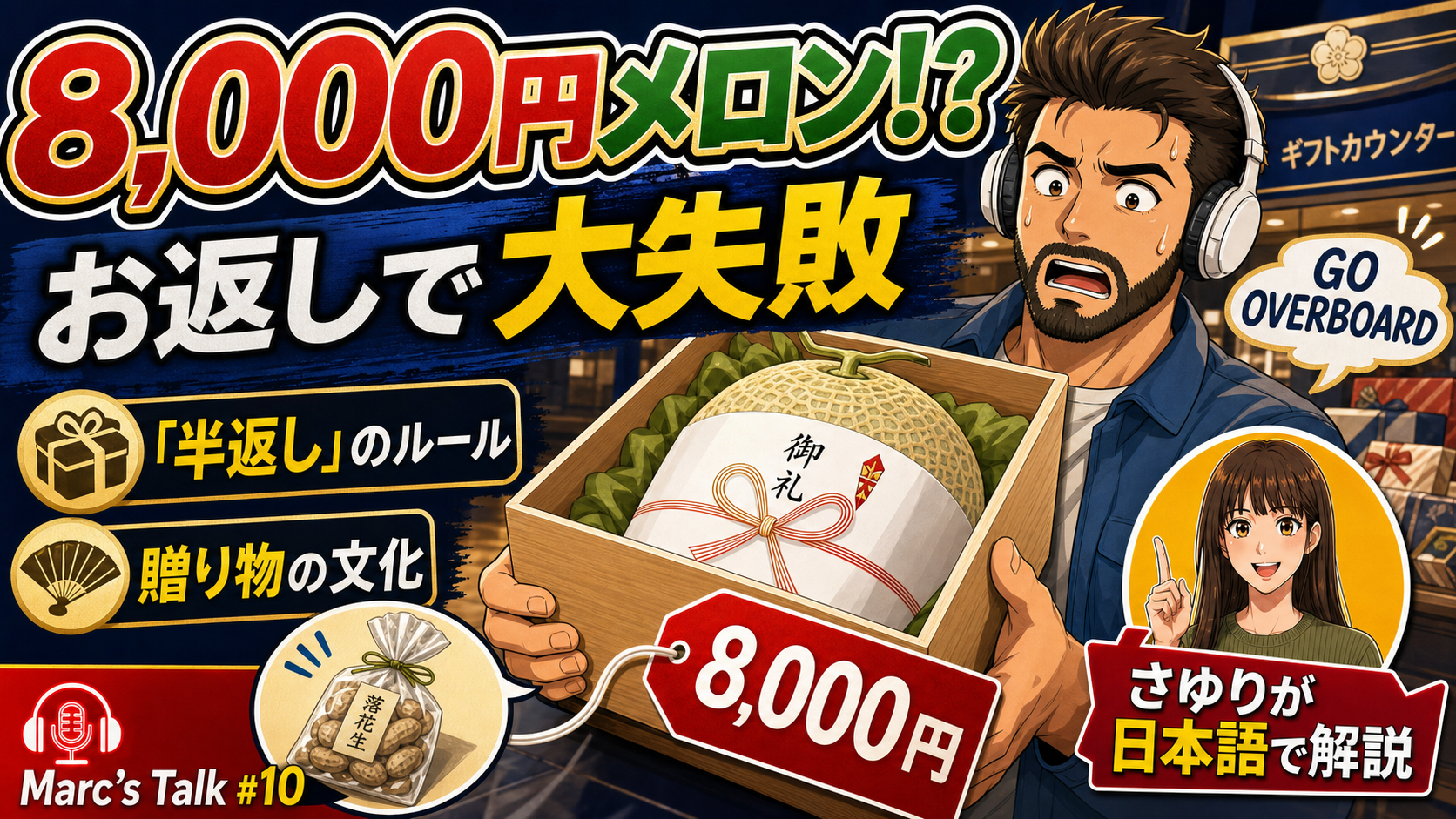
【日常英会話】メロン1個で相手に謝られた?マークが8,000円のメロンでやらかした話 #英語学習 #ネイティブ英語会話 #リスニング強化 #英語耳
ポッドキャスト「すきまイングリッシュ」のスクリプト。「【日常英会話】メロン1個で相手に謝られた?マークが8,000円のメロンでやらかした話 #英語学習 #ネイティブ英語会話 #リスニング強化 #英語耳」の会話全文です。
【英語学習】英語のみ | ここが変だよ日本、1月に自販機で水?温水便座・こたつ・オフィス、日本は「部屋」ではなく「人」を暖める国だった #英語学習 #ネイティブ英語会話 #リスニング強化 #英語耳
ポッドキャスト「すきまイングリッシュ」のスクリプト。「【英語学習】英語のみ | ここが変だよ日本、1月に自販機で水?温水便座・こたつ・オフィス、日本は「部屋」ではなく「人」を暖める国だった #英語学習 #ネイティブ英語会話 #リスニング強化 #英語耳」の会話全文です。

【英語学習】英語のみ | ここが変だよ日本、1月に自販機で水?温水便座・こたつ・オフィス、日本は「部屋」ではなく「人」を暖める国だった #英語学習 #ネイティブ英語会話 #リスニング強化 #英語耳
ポッドキャスト「すきまイングリッシュ」のスクリプト。「【英語学習】英語のみ | ここが変だよ日本、1月に自販機で水?温水便座・こたつ・オフィス、日本は「部屋」ではなく「人」を暖める国だった #英語学習 #ネイティブ英語会話 #リスニング強化 #英語耳」の会話全文です。
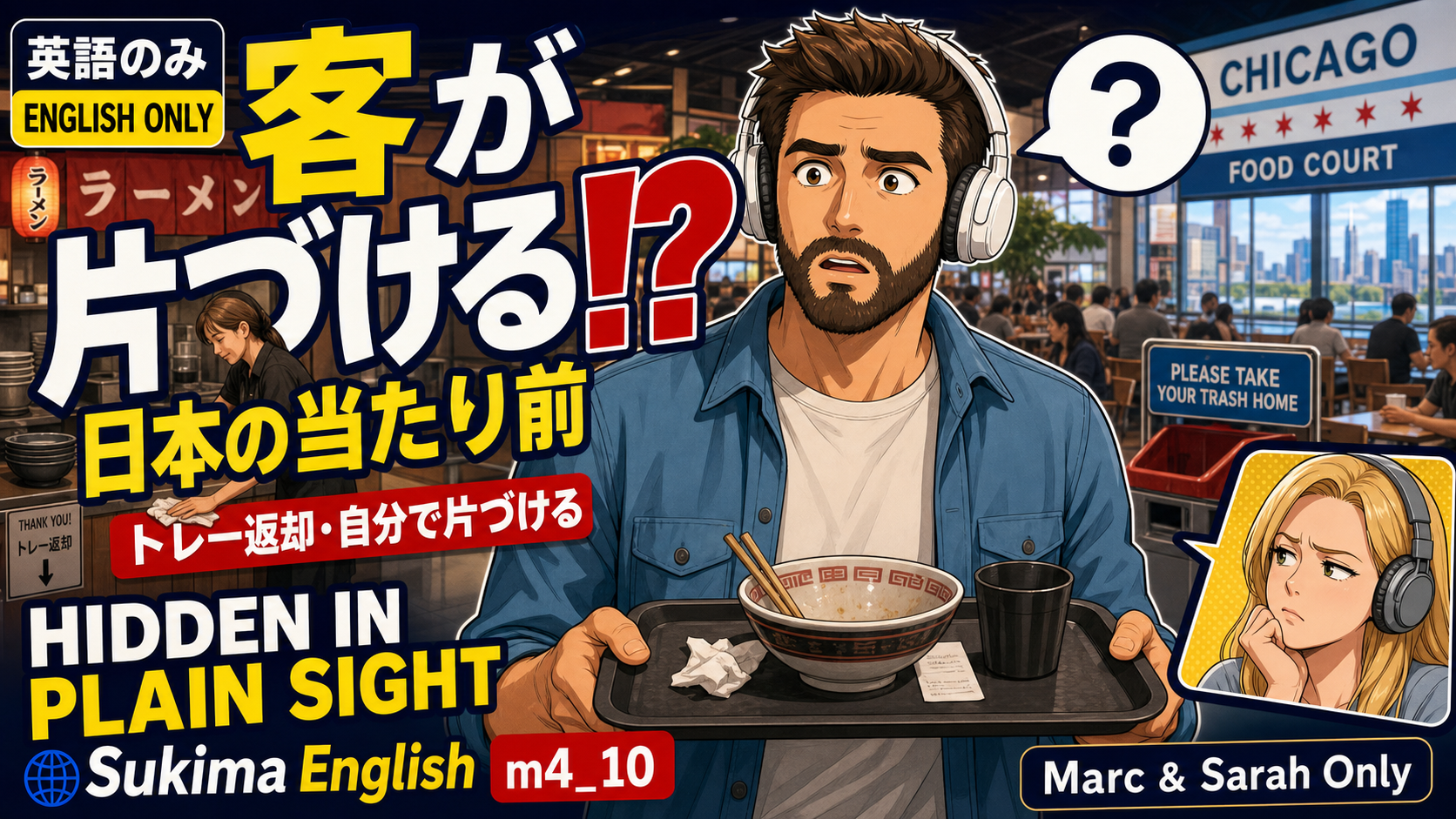
【日常英会話】英語のみ | ラーメン屋のカウンターを自分で拭く、トレー返却・スタジアム清掃、なぜ日本人は「自分の仕事じゃないこと」をやるのか #英語学習 #ネイティブ英語会話 #リスニング強化
ポッドキャスト「すきまイングリッシュ」のスクリプト。「【日常英会話】英語のみ | ラーメン屋のカウンターを自分で拭く、トレー返却・スタジアム清掃、なぜ日本人は「自分の仕事じゃないこと」をやるのか #英語学習 #ネイティブ英語会話 #リスニング強化」の会話全文です。
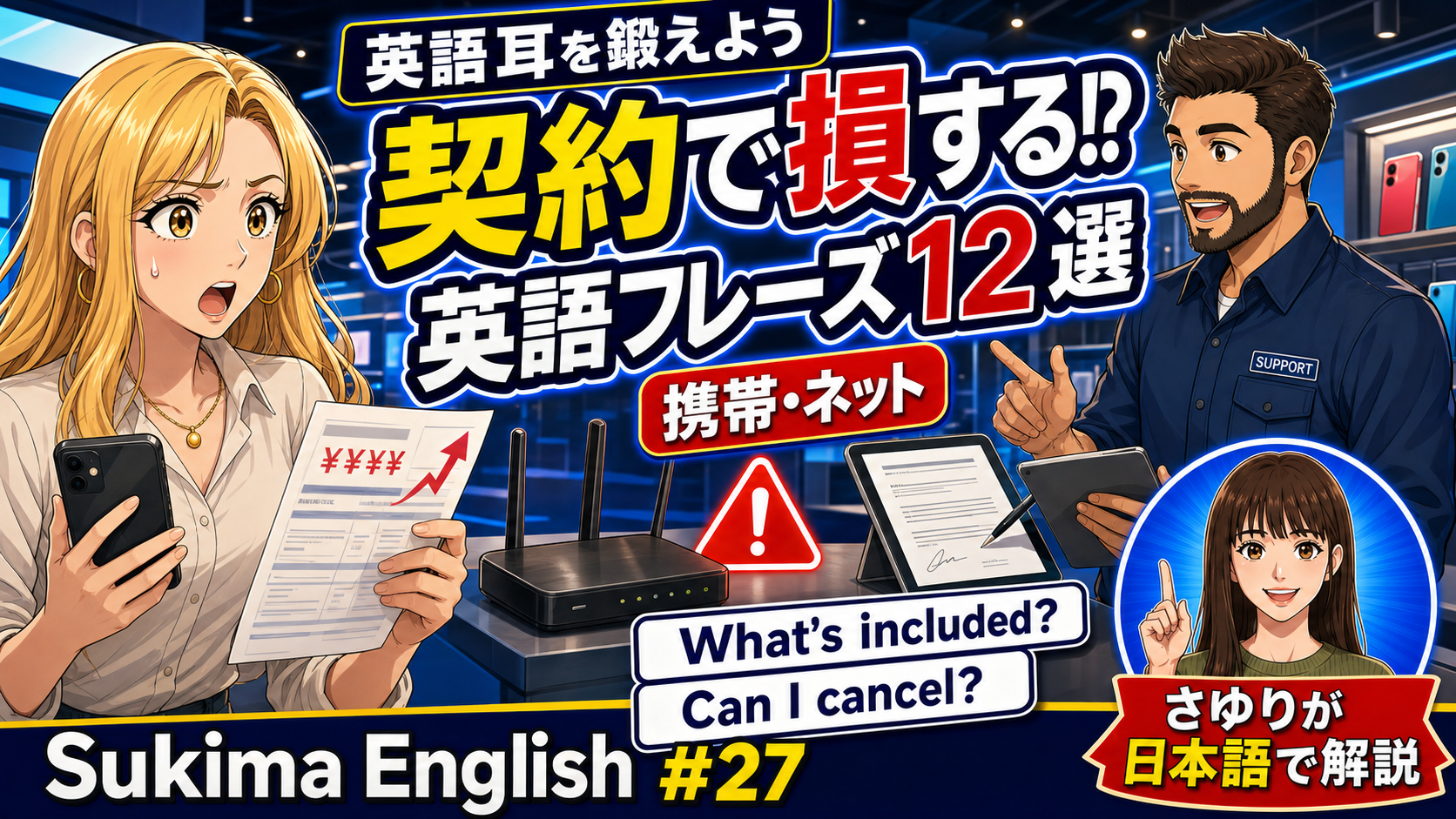
【日常の英語】日本語解説あり | 携帯・ネット契約を英語で乗り切る12フレーズ、申し込み→料金確認→つながらない時→解約・変更まで完全対応 #英語学習 #英語フレーズ #英会話 #英語耳
ポッドキャスト「すきまイングリッシュ」のスクリプト。「【日常の英語】日本語解説あり | 携帯・ネット契約を英語で乗り切る12フレーズ、申し込み→料金確認→つながらない時→解約・変更まで完全対応 #英語学習 #英語フレーズ #英会話 #英語耳」の会話全文です。
【英語学習】英語のみ | 印鑑・FAX・7枚の問診票、日本の「紙の国」で気づいたこと、印鑑がないと銀行口座も作れない #英語学習 #ネイティブ英語会話 #リスニング強化 #英語耳
ポッドキャスト「すきまイングリッシュ」のスクリプト。「【英語学習】英語のみ | 印鑑・FAX・7枚の問診票、日本の「紙の国」で気づいたこと、印鑑がないと銀行口座も作れない #英語学習 #ネイティブ英語会話 #リスニング強化 #英語耳」の会話全文です。